If you do anything in the coming New Year, visit http://365daysoftrash.blogspot.com
This guy shows us all how a sustainable family is possible. I am truly inspired to do an even better job!
Tuesday, December 23, 2008
Monday, December 22, 2008
Recycling Markets
Twelve-foot towers of cardboard, plastic, and paper crowd Sunrise Enterprises. More than 3,000 tons of old newspapers, bottles, office paper, and boxes from homes and businesses in Douglas County, bundled into bales, have accumulated here since September. Each week, more streams in by the truckload.
Boxes and wrapping paper tossed into the recycling bins during the holidays typically are turned into pulp for tissues, cereal boxes, construction material, or cardboard packaging. But the recession has hit recycling companies just as hard in recent months by driving down demand and prices for their materials and the results can be seen at this Green, Oregon recycling plant: Less paper is getting sent out and more is piling up.
At a time when every dollar counts, organizations strapped for cash are receiving thousands less than their usual per month price for recycled fiber, plastics and metals. The decline in revenue, however, does not pose a large risk of ending recycling programs in Douglas County. Haulers are prohibited by state law from putting it into landfills after picking it up. The challenge is how do companies continue to pick up recycling with out their usual cash flow?
The heaps of bales are a vivid example of how industries and economies in disparate places rely on one another, and show how global market forces can challenge environmental efforts. Since 2000, increasing amounts of recycled paper have been exported as manufacturing has grown in Asia and as paper mills have closed in the United States.
Until October, more than a third o f the country's recycled paper was sent abroad. The vast majority was loaded onto tankers headed to China, where mills turn it into corrugated cardboard boxes often used to package televisions and stereos before they are shipped back to the United States. With the economic downturn, fewer people are buying products that require these boxes, and the export market for recycled paper has almost completely dried up.
Prices for recovered waste paper have plummeted to record lows. At the docks in Portland, recovered paper for export has fallen from a peak of nearly $200 per ton in July to about $20 per ton today, if you can find a buyer. Domestically, prices have also plunged. Residential newsprint prices in the Northwest fell from a peak of $180 per ton in August to $20 per ton.
At over $40 per ton, the cost of land filling is too high to make recycling seem like a bad idea financially. Even if cities and towns had to pay for their paper to be recycled it would be cheaper than throwing away that paper as waste. But here in Douglas County where we have the last “free” landfill in the country, disposal is subsidized and folks are disinclined to pay. Most landfills charge about $70 per ton to just cover the cost of land filling and associated services. In this way, those who generate the waste pay for it instead of the burden being placed on the general population.
Even though recycling collections will likely continue, the plunge in demand means that not all old paper will not be immediately recycled into new paper products in the near future. But some leaders in the recycled paper industry remain optimistic about finding buyers for the bales of used paper and cardboard accumulating in warehouses. They predict that in a year, if not sooner, demand for recycled products will rebound. Some have seen recycled paper prices drop in the past and recover. Others think that domestic mills, still making tissue fiber and paperboard for packaging such products as cereal and pizza, could eventually pick up the slack in foreign demand. In the meantime, our partners in recycling, Sunrise Enterprises and local garbage haulers included, are going out of their way to weather the storm and stockpile materials as long as they can.
Be confident that our recycling programs will remain intact, but “Be Prepared” as the Scouts say, for temporary changes in what can and cannot be picked up curbside. Local haulers are in discussion with State officials for possible modifications to their obligations and may need to alter schedules or materials until recycling markets rebound.
For more information contact me at 440-4350 or online at RecyclePower.org and don’t forget to Reduce, Reuse, and Recycle to “Trash Douglas County Less!”
Boxes and wrapping paper tossed into the recycling bins during the holidays typically are turned into pulp for tissues, cereal boxes, construction material, or cardboard packaging. But the recession has hit recycling companies just as hard in recent months by driving down demand and prices for their materials and the results can be seen at this Green, Oregon recycling plant: Less paper is getting sent out and more is piling up.
At a time when every dollar counts, organizations strapped for cash are receiving thousands less than their usual per month price for recycled fiber, plastics and metals. The decline in revenue, however, does not pose a large risk of ending recycling programs in Douglas County. Haulers are prohibited by state law from putting it into landfills after picking it up. The challenge is how do companies continue to pick up recycling with out their usual cash flow?
The heaps of bales are a vivid example of how industries and economies in disparate places rely on one another, and show how global market forces can challenge environmental efforts. Since 2000, increasing amounts of recycled paper have been exported as manufacturing has grown in Asia and as paper mills have closed in the United States.
Until October, more than a third o
 f the country's recycled paper was sent abroad. The vast majority was loaded onto tankers headed to China, where mills turn it into corrugated cardboard boxes often used to package televisions and stereos before they are shipped back to the United States. With the economic downturn, fewer people are buying products that require these boxes, and the export market for recycled paper has almost completely dried up.
Prices for recovered waste paper have plummeted to record lows. At the docks in Portland, recovered paper for export has fallen from a peak of nearly $200 per ton in July to about $20 per ton today, if you can find a buyer. Domestically, prices have also plunged. Residential newsprint prices in the Northwest fell from a peak of $180 per ton in August to $20 per ton.
At over $40 per ton, the cost of land filling is too high to make recycling seem like a bad idea financially. Even if cities and towns had to pay for their paper to be recycled it would be cheaper than throwing away that paper as waste. But here in Douglas County where we have the last “free” landfill in the country, disposal is subsidized and folks are disinclined to pay. Most landfills charge about $70 per ton to just cover the cost of land filling and associated services. In this way, those who generate the waste pay for it instead of the burden being placed on the general population.
Even though recycling collections will likely continue, the plunge in demand means that not all old paper will not be immediately recycled into new paper products in the near future. But some leaders in the recycled paper industry remain optimistic about finding buyers for the bales of used paper and cardboard accumulating in warehouses. They predict that in a year, if not sooner, demand for recycled products will rebound. Some have seen recycled paper prices drop in the past and recover. Others think that domestic mills, still making tissue fiber and paperboard for packaging such products as cereal and pizza, could eventually pick up the slack in foreign demand. In the meantime, our partners in recycling, Sunrise Enterprises and local garbage haulers included, are going out of their way to weather the storm and stockpile materials as long as they can.
Be confident that our recycling programs will remain intact, but “Be Prepared” as the Scouts say, for temporary changes in what can and cannot be picked up curbside. Local haulers are in discussion with State officials for possible modifications to their obligations and may need to alter schedules or materials until recycling markets rebound.
For more information contact me at 440-4350 or online at RecyclePower.org and don’t forget to Reduce, Reuse, and Recycle to “Trash Douglas County Less!”


Tuesday, December 9, 2008
Waste’s “Days” Are Numbered
There is a little known organization in the State of Oregon going around encouraging our students to dig through their own trash. Can you believe it? I certainly can.
The Oregon Green School Association ( http://www.oregongreenschools.org/ ) works with local waste reduction professionals such as myself to work with schools, educators, and students develop a greater understanding of how their behaviors impact local environments and economies. This is done through a membership process that requires the applicants to monitor, measure, and analyze their energy consumption and waste generation. Armed with this data, the schools, staff, and students develop new systems to employ to save the school money and protect our natural resources. Once complete, the school becomes certified as an “Oregon Green School” and the students get to attend an annual education summit for free and apply for small grants to help them with their programs.
Currently only Hucrest Elementary is certified in our area. Roseburg High School, Highland Elementary in Reedsport, and Eastwood Elementary are all in various stages of implementation here in Douglas County.
Most recently, Days Creek Charter School has accepted the challenge to tackle the greening of their school. Teacher Janis Davis created a club in the school recently, called the “Green Team”. This group of students is made up of teens from all segments of the school and each and every one of them has a true interest in fostering sustainability with their peers and e ducators. So far, they have presented recycling education at local community events, expanded their school recycling program to include all paper, beverage containers, cardboard, and metal. They themselves coordinate the collection of this material and partner with Sunrise Enterprises for local pick up from a school out building that has been recently given to them.
This week in the cold December morning air, eight students and their teacher braved the chill and joined me in a waste audit. This is an essential element to their application process for consideration to be a “Green School”. You cannot know how your efforts are to be measured; with our first measuring the waste you are going to tackle.
The custodial staff at Days Creek was kind enough to collect one day’s waste from the school and deliver it behind the gym. There, hands covered in protective gloves, and after learning about safety, they dove right in to the task at hand; sifting through the pile and sorting the material into base materials. The teens were measuring by weight what would have been clean paper for recycling, plastic, metal, glass, food and food contaminated paper waste suitable for composting, and actual garbage.
Normally the process takes many hours considering the volume and the nature of the task. However, these kids are different. They want to do this. They want to make a difference. We completed the exercise in only 1 hour and 40 minutes, including clean up.
What they discovered may or may not surprise you. 200 pounds of waste was gathered, which did not include an unknown amount of slop that was not contained with in bags. Of t hese 200 pounds, only 21 pounds was deemed to be actual waste. That is only 10%! The rest was all recyclable or Compostable.
They only separated out 12.5 pounds of paper. This is because most of the paper is already diverted via current recycling programs. 32.2 pounds of plastic cups, silverware, lids, cereal bowls, and bags were collected or 16%. Only 2 pounds each of metal and glass was discovered considering most beverage containers and cans from the kitchen are already collected separately for recycling as well. And one pound of electronic waste was found.
Most revealing from the event was the discovery of 131.3 pounds of food and food contaminated paper. 65% of the school’s waste was determined to be compostable and perfectly suitable to enrich the surrounding area instead of filling the dump.
Armed with this knowledge the students plan educating fellow students, school leadership, and the community about our responsibility to be good stewards of our natural resources. In this way, they plan on building a greener school in hopes that their efforts will foster sustainability outside the hallowed halls of Days Creek Charter and into the homes and businesses of Douglas County and beyond.
Pictured:
Janis Davis , Ranis Chapman , Joe Freeman , Amber Murphy , Stormy Terry , John Walters , Katelyn Wiggs , Michael Young , Jessica Stanfield
The Oregon Green School Association ( http://www.oregongreenschools.org/ ) works with local waste reduction professionals such as myself to work with schools, educators, and students develop a greater understanding of how their behaviors impact local environments and
 economies. This is done through a membership process that requires the applicants to monitor, measure, and analyze their energy consumption and waste generation. Armed with this data, the schools, staff, and students develop new systems to employ to save the school money and protect our natural resources. Once complete, the school becomes certified as an “Oregon Green School” and the students get to attend an annual education summit for free and apply for small grants to help them with their programs.
Currently only Hucrest Elementary is certified in our area. Roseburg High School, Highland Elementary in Reedsport, and Eastwood Elementary are all in various stages of implementation here in Douglas County.
Most recently, Days Creek Charter School has accepted the challenge to tackle the greening of their school. Teacher Janis Davis created a club in the school recently, called the “Green Team”. This group of students is made up of teens from all segments of the school and each and every one of them has a true interest in fostering sustainability with their peers and e
 ducators. So far, they have presented recycling education at local community events, expanded their school recycling program to include all paper, beverage containers, cardboard, and metal. They themselves coordinate the collection of this material and partner with Sunrise Enterprises for local pick up from a school out building that has been recently given to them.
This week in the cold December morning air, eight students and their teacher braved the chill and joined me in a waste audit. This is an essential element to their application process for consideration to be a “Green School”. You cannot know how your efforts are to be measured; with our first measuring the waste you are going to tackle.
The custodial staff at Days Creek was kind enough to collect one day’s waste from the school and deliver it behind the gym. There, hands covered in protective gloves, and after learning about safety, they dove right in to the task at hand; sifting through the pile and sorting the material into base materials. The teens were measuring by weight what would have been clean paper for recycling, plastic, metal, glass, food and food contaminated paper waste suitable for composting, and actual garbage.
Normally the process takes many hours considering the volume and the nature of the task. However, these kids are different. They want to do this. They want to make a difference. We completed the exercise in only 1 hour and 40 minutes, including clean up.
What they discovered may or may not surprise you. 200 pounds of waste was gathered, which did not include an unknown amount of slop that was not contained with in bags. Of t
 hese 200 pounds, only 21 pounds was deemed to be actual waste. That is only 10%! The rest was all recyclable or Compostable.
They only separated out 12.5 pounds of paper. This is because most of the paper is already diverted via current recycling programs. 32.2 pounds of plastic cups, silverware, lids, cereal bowls, and bags were collected or 16%. Only 2 pounds each of metal and glass was discovered considering most beverage containers and cans from the kitchen are already collected separately for recycling as well. And one pound of electronic waste was found.
Most revealing from the event was the discovery of 131.3 pounds of food and food contaminated paper. 65% of the school’s waste was determined to be compostable and perfectly suitable to enrich the surrounding area instead of filling the dump.
Armed with this knowledge the students plan educating fellow students, school leadership, and the community about our responsibility to be good stewards of our natural resources. In this way, they plan on building a greener school in hopes that their efforts will foster sustainability outside the hallowed halls of Days Creek Charter and into the homes and businesses of Douglas County and beyond.
Pictured:
Janis Davis , Ranis Chapman , Joe Freeman , Amber Murphy , Stormy Terry , John Walters , Katelyn Wiggs , Michael Young , Jessica Stanfield
Monday, December 1, 2008
Don't Tread On Me
Today there are some 300 million surplus tires in the United States. This number is decreasing every year as new opportunities emerge to reuse or recycle waste tires. When the surplus is gone, there will actually be a market for waste tires and it will become a commodity people will buy and sell. Today, it costs between one and two dollars to the generator to properly dispose of a passenger tire.
In the State of Oregon, tires are forbidden from entering the waste stream (landfill) by state statute. In order to accommodate this law here in Douglas County, tires can be taken to the transfer stations in Roseburg and Reedsport for recycling. A small fee applies for each tire. This is charged to cover the County’s expense to recycle. Better yet, allow your tire supplier to take them back for recycling when your new tires are installed.
It is also important to note that for generations, folks held onto tires for burning. Grandpa would always place several old tires coated in diesel fuel at the center of his burn pile every year. As effective as it was, it was a very dirty, polluting process that is now illegal. In Oregon it is only legal to burn paper, yard debris, and wood with proper permits.
 Recycling tires is something that everyone should do as there are many negatives associated with not recycling tires including an ugly landscape, pollution, and disease. However, there are quite a few steps that can be instituted prior to recycling that will save you money in addition to keeping Douglas County clean:
·Keep a proper tire pressure. Having improperly inflated tires is a huge cause of tire damage. It can cause irregular wear as well as decreased gas mileage.
Now that you know at little bit more about prevention, let us talk about recycling tires.
Interestingly enough, recycling the rubber from scrap tires was very common until the 1960s when the practice began to die off. Because it became easier to make synthetic rubber, people found it less important to recycle their tires. Recycling tires also became more difficult when steel belted tires became popular. Fortunately, the recycling of tires has increased tremendously within the last decade as people have started to see the problems associated with scrap tires and new opportunities for reuse have developed.
What are the problems that arise when tires are not recycled?
In the State of Oregon, tires are forbidden from entering the waste stream (landfill) by state statute. In order to accommodate this law here in Douglas County, tires can be taken to the transfer stations in Roseburg and Reedsport for recycling. A small fee applies for each tire. This is charged to cover the County’s expense to recycle. Better yet, allow your tire supplier to take them back for recycling when your new tires are installed.
It is also important to note that for generations, folks held onto tires for burning. Grandpa would always place several old tires coated in diesel fuel at the center of his burn pile every year. As effective as it was, it was a very dirty, polluting process that is now illegal. In Oregon it is only legal to burn paper, yard debris, and wood with proper permits.
Recycling tires is something that everyone should do as there are many negatives associated with not recycling tires including an ugly landscape, pollution, and disease. However, there are quite a few steps that can be instituted prior to recycling that will save you money in addition to keeping Douglas County clean:·Keep a proper tire pressure. Having improperly inflated tires is a huge cause of tire damage. It can cause irregular wear as well as decreased gas mileage.
·Avoid braking and accelerating excessively.
·Keep on schedule with your tire rotation and check your wheel balance and alignment often.
·Inspect your tires at least once a month. Check for uneven wearing, cracks, splits in the tread, or other signs of damage.
·Overloading your vehicle can cause more wear on your tires, as well.
·Avoid driving on rough roads and over potholes or curbs.
·Replace your tires once the tread is down to 1/16th of an inch. Do not let a salesman convince you to get rid of them sooner unless there is an added, important reason!
·Just because you have one or two bad tires, it does not mean that you need an entirely new set of four tires.·Use retreads. They are just as safe as new tires.
Now that you know at little bit more about prevention, let us talk about recycling tires.
Interestingly enough, recycling the rubber from scrap tires was very common until the 1960s when the practice began to die off. Because it became easier to make synthetic rubber, people found it less important to recycle their tires. Recycling tires also became more difficult when steel belted tires became popular. Fortunately, the recycling of tires has increased tremendously within the last decade as people have started to see the problems associated with scrap tires and new opportunities for reuse have developed.
What are the problems that arise when tires are not recycled?
For one thing, discarded tires are an eyesore. But even properly disposed of scrap tires can create problems. A tire dump is a known breeding ground for mosquitoes, considered to be a disease “vector”. Mosquito borne diseases are more prevalent around properties with numerous tires stockpiled on them. I have personally witnessed farmland with over 2,000 tires on them right here in Douglas County!
Tire pile fires are a huge environmental problem. Such a fire can go on burning for months, and while it is burning, it sends up a huge plume of black smoke, full of toxic chemicals and pollutants. The oily runoff, full of toxic chemicals caused by tire fires can make its way into surrounding water supplies.
Recycling tires is a very important step toward lessening the negative impacts that tires can have on the environment (but remember: reducing unnecessary use of tires is the best way to trash our county less).
What can recycled tires be used for?
Since recycled tire rubber can be cheaper than making new rubber for some products, it is used for many things such as an asphalt additive, mulch groundcover, road cone bases, and rigid plastics. When crumb rubber is mixed with asphalt, the asphalt is less likely to crack. And you have probably seen recycled rubber padding the ground beneath children’s playgrounds, as well. It appears that recycling tires can create safer environments, too!
The number one reuse opportunity for tires is conversion to energy. Most tires collected for recycling are delivered to cement kilns to be burned in order to fire their industrial processes. Last year Douglas County alone sent away 713 tons of tires for recycling.
Remember by Reducing, Reusing, and Recycling together we can “Trash Douglas County Less”!
Tuesday, November 18, 2008
Trash the Politics!
Now is the perfect time to recycle all your political signs. Our landscape is littered with them and they are 100% recyclable! Most are made from a corrugated plastic, the same kind used to make milk jugs. When recycled, it becomes the key component in TREX wood products. The other types of signs are a plastic film placed over a heavy gauge metal wire frame. This kind of plastic is like your garbage bags, only thicker.
Usually, political campaigns will mount a reclaim effort and come around and collect them for recycling or reuse, but not always. In this situation, the homeowner is responsible for disposing of their political souvenir. Both types are easily recycled here in Douglas County. Simply take them directly to your nearest County transfer station and place them in the recycling areas with the rest of your clean plastic waste. If you are part of a clean up effort, or have a large quantity, please consider taking them directly to Sunrise Enterprises on Carnes Rd. in Green or on Mulholland St. in Roseburg.
So, if you spot some out of date political signs still cluttering up your neighborhood, or know where to find some from a politician who won’t be reusing them again, why not take the time to find a new life for this usually discarded material?
This material is great for other projects as well. Wherever you might have used cardboard, because of their water proof qualities, these signs may make a great alternative. Also, those metal legs are worth about a buck a piece new, so straighten them out and reuse them to make your own signs for events, like directional signs. You can tape a paper sign over the political sign and reuse it for directions to your event, meeting, or other activity. Working a run-a-thon or bike-a-thon and need a temp direction sign? Yep, you can reuse a political sign by taping paper over their message and using a large black marker to write on the paper, or the blank side if they only printed it on one side.
Don’t forget to Reduce, Reuse, and Recycle to “Trash Douglas County Less”
Usually, political campaigns will mount a reclaim
 effort and come around and collect them for recycling or reuse, but not always. In this situation, the homeowner is responsible for disposing of their political souvenir. Both types are easily recycled here in Douglas County. Simply take them directly to your nearest County transfer station and place them in the recycling areas with the rest of your clean plastic waste. If you are part of a clean up effort, or have a large quantity, please consider taking them directly to Sunrise Enterprises on Carnes Rd. in Green or on Mulholland St. in Roseburg.
It is important to remember that the wood posts and screws must be removed prior to recycling. Both of these elements are very useful in many other ways. If you need to get rid of your stakes and screws, consider taking them to Heartwood ReSources on Hwy 99 in Green or to Robinson’s Discount Builders on Main St. in Sutherlin. There, they will find new life in someone else’s home projects. The wire frames can also be easily recycled with your scrap metal at any of the County Transfer Stations.
So, if you spot some out of date political signs still cluttering up your neighborhood, or know where to find some from a politician who won’t be reusing them again, why not take the time to find a new life for this usually discarded material?
This material is great for other projects as well. Wherever you might have used cardboard, because of their water proof qualities, these signs may make a great alternative. Also, those metal legs are worth about a buck a piece new, so straighten them out and reuse them to make your own signs for events, like directional signs. You can tape a paper sign over the political sign and reuse it for directions to your event, meeting, or other activity. Working a run-a-thon or bike-a-thon and need a temp direction sign? Yep, you can reuse a political sign by taping paper over their message and using a large black marker to write on the paper, or the blank side if they only printed it on one side.
Don’t forget to Reduce, Reuse, and Recycle to “Trash Douglas County Less”
Friday, October 24, 2008
Thursday, October 16, 2008
Recycling Symbols
Every day I get calls about the symbols on plastic container in regards to if and how they can be recycled. I would like to share with everyone that ALL plastic is recyclable here in Douglas County.
Sunrise Enterprises who collects all the recycling at our 11 transfer stations has worked hard with us (Douglas County Public Works) to expand what it takes this past year. So has Roseburg Disposal who accepts all rigid plastics curbside. They both used to only take bottles with a neck. Plastic film (bags) are collected at all major retail stores and recycling stations.
So to make it simple, the number does not matter. I repeat, the number does not matter. If it is plastic and clean, it is recyclable. The numbers only refer to the chemical composition and not recyclability. This is problematic because every municipality has different recycling standards and collects a different mix of material. This is actually great news because it reduces your work. By taking all plastics, we have removed some of the objections to recycling like “I don’t like to sort so much” or “I don’t know if it is recyclable, so I will just throw it away”.
The following is a simple guide to illustrate what the numbers mean:
 PET or PETE (polyethylene terephthalate)
Found in: Soft drink, water and beer bottles; mouthwash bottles; peanut butter containers; salad dressing and vegetable oil containers; ovenable food trays.
Recycled into: Polar fleece, fiber, tote bags, furniture, carpet, paneling, straps, new containers
PET plastic is the most common for single-use bottled beverages, because it is inexpensive, lightweight and easy to recycle. It poses low risk of leaching breakdown products.
 HDPE (high density polyethylene)
Found in: Milk jugs, juice bottles; bleach, detergent and household cleaner bottles; shampoo bottles; some trash and shopping bags; motor oil bottles; butter and yogurt tubs; cereal box liners.
Recycled into: New bottles, pens, recycling containers, floor tile, drainage pipe, lumber, benches, doghouses, picnic tables, fencing.
HDPE is a versatile plastic with many uses, especially for packaging. It carries low risk of leaching and is readily recyclable into many goods.
 V (Vinyl) or PVC
Found in: Window cleaner and detergent bottles, shampoo bottles, cooking oil bottles, clear food packaging, wire jacketing, medical equipment, siding, windows, piping.
Recycled into: Decks, paneling, mud flaps, roadway gutters, flooring, cables, speed bumps, mats.
PVC is tough and weathers well, so it is commonly used for piping, siding and similar applications. PVC contains chlorine, so its manufacture can release highly dangerous dioxins. If you must cook with PVC, don’t let the plastic touch food. Also never burn PVC (or any other plastic for that matter), because it releases toxins.
 LDPE (low density polyethylene)
Found in: Squeezable bottles; bread, frozen food, dry cleaning and shopping bags; tote bags; clothing; furniture; carpet.
Recycled into: Trash can liners and cans, compost bins, shipping envelopes, paneling, lumber, landscaping ties, floor tile.
LDPE is a flexible plastic with many applications.
 PP (polypropylene)
Found in: Some yogurt containers, baling twine, syrup bottles, ketchup bottles, caps, straws, medicine bottles.
Recycled into: Signal lights, battery cables, brooms, brushes, auto battery cases, ice scrapers, landscape borders, bicycle racks, rakes, bins, pallets, trays.
Polypropylene has a high melting point, and so is often chosen for containers that must accept hot liquid.
 PS (polystyrene)
Found in: Disposable plates and cups, meat trays, egg cartons, carry-out containers, aspirin bottles, compact disc cases.
Recycling: Only rigid containers are accepted. Expanded Styrofoam is NOT recyclable in Douglas County.
Recycled into: Insulation, light switch plates, egg cartons, vents, rulers, foam packing, carry-out containers.
Polystyrene can be made into rigid or foam products — in the latter case it is popularly known as the trademark Styrofoam. Evidence suggests polystyrene can leach potential toxins into foods. The material was long on environmentalists’ hit lists for dispersing widely across the landscape, and for being notoriously difficult to recycle. Most places still don’t accept it, though it is gradually gaining traction.
 Miscellaneous
Found in: Three- and five-gallon water bottles, ‘bullet-proof’ materials, sunglasses, DVDs, iPod and computer cases, signs and displays, certain food containers, nylon.
Recycled into: Plastic lumber, custom-made products.
A wide variety of plastic resins that don’t fit into the previous categories are lumped into number 7. A few are even made from plants (polyactide) and are compostable. Polycarbonate is number 7, and is the hard plastic that has parents worried these days, after studies have shown it can leach potential hormone disruptors. However, manufacturers have removed the harmful elements from newly made products.
Remember, by Reduceing, Reusing, and Recycling we can Trash Douglas County Less.
Sunrise Enterprises who collects all the recycling at our 11 transfer stations has worked hard with us (Douglas County Public Works) to expand what it takes this past year. So has Roseburg Disposal who accepts all rigid plastics curbside. They both used to only take bottles with a neck. Plastic film (bags) are collected at all major retail stores and recycling stations.
So to make it simple, the number does not matter. I repeat, the number does not matter. If it is plastic and clean, it is recyclable. The numbers only refer to the chemical composition and not recyclability. This is problematic because every municipality has different recycling standards and collects a different mix of material. This is actually great news because it reduces your work. By taking all plastics, we have removed some of the objections to recycling like “I don’t like to sort so much” or “I don’t know if it is recyclable, so I will just throw it away”.
The following is a simple guide to illustrate what the numbers mean:
PET or PETE (polyethylene terephthalate)Found in: Soft drink, water and beer bottles; mouthwash bottles; peanut butter containers; salad dressing and vegetable oil containers; ovenable food trays.
Recycled into: Polar fleece, fiber, tote bags, furniture, carpet, paneling, straps, new containers
PET plastic is the most common for single-use bottled beverages, because it is inexpensive, lightweight and easy to recycle. It poses low risk of leaching breakdown products.
HDPE (high density polyethylene)Found in: Milk jugs, juice bottles; bleach, detergent and household cleaner bottles; shampoo bottles; some trash and shopping bags; motor oil bottles; butter and yogurt tubs; cereal box liners.
Recycled into: New bottles, pens, recycling containers, floor tile, drainage pipe, lumber, benches, doghouses, picnic tables, fencing.
HDPE is a versatile plastic with many uses, especially for packaging. It carries low risk of leaching and is readily recyclable into many goods.
V (Vinyl) or PVCFound in: Window cleaner and detergent bottles, shampoo bottles, cooking oil bottles, clear food packaging, wire jacketing, medical equipment, siding, windows, piping.
Recycled into: Decks, paneling, mud flaps, roadway gutters, flooring, cables, speed bumps, mats.
PVC is tough and weathers well, so it is commonly used for piping, siding and similar applications. PVC contains chlorine, so its manufacture can release highly dangerous dioxins. If you must cook with PVC, don’t let the plastic touch food. Also never burn PVC (or any other plastic for that matter), because it releases toxins.
LDPE (low density polyethylene)Found in: Squeezable bottles; bread, frozen food, dry cleaning and shopping bags; tote bags; clothing; furniture; carpet.
Recycled into: Trash can liners and cans, compost bins, shipping envelopes, paneling, lumber, landscaping ties, floor tile.
LDPE is a flexible plastic with many applications.
PP (polypropylene)Found in: Some yogurt containers, baling twine, syrup bottles, ketchup bottles, caps, straws, medicine bottles.
Recycled into: Signal lights, battery cables, brooms, brushes, auto battery cases, ice scrapers, landscape borders, bicycle racks, rakes, bins, pallets, trays.
Polypropylene has a high melting point, and so is often chosen for containers that must accept hot liquid.
PS (polystyrene)Found in: Disposable plates and cups, meat trays, egg cartons, carry-out containers, aspirin bottles, compact disc cases.
Recycling: Only rigid containers are accepted. Expanded Styrofoam is NOT recyclable in Douglas County.
Recycled into: Insulation, light switch plates, egg cartons, vents, rulers, foam packing, carry-out containers.
Polystyrene can be made into rigid or foam products — in the latter case it is popularly known as the trademark Styrofoam. Evidence suggests polystyrene can leach potential toxins into foods. The material was long on environmentalists’ hit lists for dispersing widely across the landscape, and for being notoriously difficult to recycle. Most places still don’t accept it, though it is gradually gaining traction.
MiscellaneousFound in: Three- and five-gallon water bottles, ‘bullet-proof’ materials, sunglasses, DVDs, iPod and computer cases, signs and displays, certain food containers, nylon.
Recycled into: Plastic lumber, custom-made products.
A wide variety of plastic resins that don’t fit into the previous categories are lumped into number 7. A few are even made from plants (polyactide) and are compostable. Polycarbonate is number 7, and is the hard plastic that has parents worried these days, after studies have shown it can leach potential hormone disruptors. However, manufacturers have removed the harmful elements from newly made products.
Remember, by Reduceing, Reusing, and Recycling we can Trash Douglas County Less.
Wednesday, October 15, 2008
Think Local Event
In an attempt to focus all efforts on the local economy, a Think Local Umpqua campaign has begun with local music, local art and local food.The first event will feature a gourmet dinner at 6 p.m. Friday at the Umpqua Valley Arts Center, 1624 W. Harvard Ave. The local band Multiple Personalities will perform at 7 p.m. The band, as its name hints, plays a mixture of music from pop to folk to jazz. The singers are backed by the keyboard, guitar and bass. No-host beer and wine will be available. Tickets can be purchased for $20 at Umpqua Community Development in downtown Roseburg.Information: 673-4909 or 580-9120.
Monday, October 13, 2008
Recycling Facts
Green living is a hot topic these days. Using reclaimed building materials, creating energy efficient homes, generating clean and renewable energy sources, and reducing waste are all being considered more and more every day. I say KUDOS to everyone and every business for doing their part to live a healthier lifestyle for the benefit of future generations.
As we learn to leave a smaller imprint on our communities let us consider the role recycling plays in this equation. Recycling is third in the 3Rs hierarchy because it is more important to first reduce our waste. In other words, do not buy waste in the first place. That being said, recycling is an important cog in our system to lessen our imprint. Here are some interesting factoids for you to reflect upon:
Making a new glass bottle from scratch produces significantly more air and water pollution than recycling it, all while consuming more energy. The energy saved by recycling one glass bottle is enough to power a 100-watt light bulb during a four-hour period. By taking the time to recycle your glass, you are lessening our need for energy.
Aluminum is a fascinating metal and it is one of our favorite recycling facts. It was once more precious than gold. This metal is interesting for its historical value but it also has wonderful properties that make it ideal for recycling. Aluminum can be recycled repeatedly without limit. By recycling aluminum, you save 95% of the energy needed to create new aluminum from virgin feedstock. By recycling aluminum you are reducing emissions from the burning of coal and reducing our need to import material from foreign countries, the source of bauxite, the ore from which aluminum is made.
The production of Sunday newspapers in the USA requires the equivalent of five hundred thousand trees each week. Just over a quarter of these newspapers are recycled. That means the other 75% is land filled. Here in Douglas County, over 32% of our own landfill is made up of paper and cardboard. We are discarding a vital material that local paper mills require for the manufacture of their products. By recycling your paper, you are supporting Oregon jobs, reducing energy consumption, lessening emissions, and saving precious landfill space.
We could heat fifty million homes over a course of twenty years with the amount of paper and wood that is thrown away in the USA each year. Run those numbers through your head one more time. It is staggering. Here in Douglas County we have over 10 locations to drop of your wood and yard debris for recycling into usable products. Heartwood ReSources and Robinson’s Building Discount also accepts usable materials for reuse and resale.
Another stunning fact about recycling concerns plastic bottles. These items are unnatural enemies of the environment and there are a lot of them. “A lot” is an understatement. People in United States alone use about 2.5 million plastic bottles every hour! These bottles are primarily created from foreign natural gas reserves. By recycling your plastic, you lesson our reliance on those sources, promote Oregon jobs, reduce litter, reduce emissions from the transportation of the raw material, and save energy.
Consider not buying water bottles this next year and you can save hundreds and hundreds of dollars on something that is nearly free from the tap. If you must have bottled water, hire a service to deliver 5 gallons at a time and utilize a reusable, durable container to drink out of. This will save you many dollars as well, all while reducing waste and saving energy.
I want to thank everyone for doing their part to “Trash Douglas County Less”! The Oregon Department of Environmental Quality just issued the latest recycling figures for the state. Douglas County grew to a 32.1% recycling rate in 2007. This is representative of a 2.4% growth while the state as a whole actually dipped for the second year in a row. Keep up the good work and together we can make a difference! We are well on our way to reaching the County goal of 40% of material to be diverted from entering the local landfill; thus saving the County millions of dollars.
As we learn to leave a smaller imprint on our communities let us consider the role recycling plays in this equation. Recycling is third in the 3Rs hierarchy because it is more important to first reduce our waste. In
other words, do not buy waste in the first place. That being said, recycling is an important cog in our system to lessen our imprint. Here are some interesting factoids for you to reflect upon:Making a new glass bottle from scratch produces significantly more air and water pollution than recycling it, all while consuming more energy. The energy saved by recycling one glass bottle is enough to power a 100-watt light bulb during a four-hour period. By taking the time to recycle your glass, you are lessening our need for energy.
Aluminum is a fascinating metal and it is one of our favorite recycling facts. It was once more precious than gold. This metal is interesting for its historical value but it also has wonderful properties that make it ideal for recycling. Aluminum can be recycled repeatedly without limit. By recycling aluminum, you save 95% of the energy needed to create new aluminum from virgin feedstock. By recycling aluminum you are reducing emissions from the burning of coal and reducing our need to import material from foreign countries, the source of bauxite, the ore from which aluminum is made.
The production of Sunday newspapers in the USA requires the equivalent of five hundred thousand trees each week. Just over a quarter of these newspapers are recycled. That means the other 75% is land filled. Here in Douglas County, over 32% of our own landfill is made up of paper and cardboard. We are discarding a vital material that local paper mills require for the manufacture of their products. By recycling your paper, you are supporting Oregon jobs, reducing energy consumption, lessening emissions, and saving precious landfill space.
We could heat fifty million homes over a course of twenty years with the amount of paper and wood that is thrown away in the USA each year. Run those numbers through your head one more time. It is staggering. Here in Douglas County we have over 10 locations to drop of your wood and yard debris for recycling into usable products. Heartwood ReSources and Robinson’s Building Discount also accepts usable materials for reuse and resale.
Another stunning fact about recycling concerns plastic bottles. These items are unnatural enemies of the environment and there are a lot of them. “A lot” is an understatement. People in United States alone use about 2.5 million plastic bottles every hour! These bottles are primarily created from foreign natural gas reserves. By recycling your plastic, you lesson our reliance on those sources, promote Oregon jobs, reduce litter, reduce emissions from the transportation of the raw material, and save energy.
Consider not buying water bottles this next year and you can save hundreds and hundreds of dollars on something that is nearly free from the tap. If you must have bottled water, hire a service to deliver 5 gallons at a time and utilize a reusable, durable container to drink out of. This will save you many dollars as well, all while reducing waste and saving energy.
I want to thank everyone for doing their part to “Trash Douglas County Less”! The Oregon Department of Environmental Quality just issued the latest recycling figures for the state. Douglas County grew to a 32.1% recycling rate in 2007. This is representative of a 2.4% growth while the state as a whole actually dipped for the second year in a row. Keep up the good work and together we can make a difference! We are well on our way to reaching the County goal of 40% of material to be diverted from entering the local landfill; thus saving the County millions of dollars.
Take Care of Oregon Day - Training!
SOLV, Rural Development Initiatives, and Oregon Volunteers have been
commissioned by Oregon 150, Governor Kulongoski’s planning commission for
the state’s sesquicentennial in 2009, to bring you the largest volunteer
event in the State’s history - Take Care of Oregon Days! This event will
take place May 16th 2009 (in Douglas County) where 20,000 volunteers will celebrate the
State’s 150th birthday by cleaning up their downtowns, holding a food
drive, painting murals in the local school, or working on whatever their
community needs to be at its best!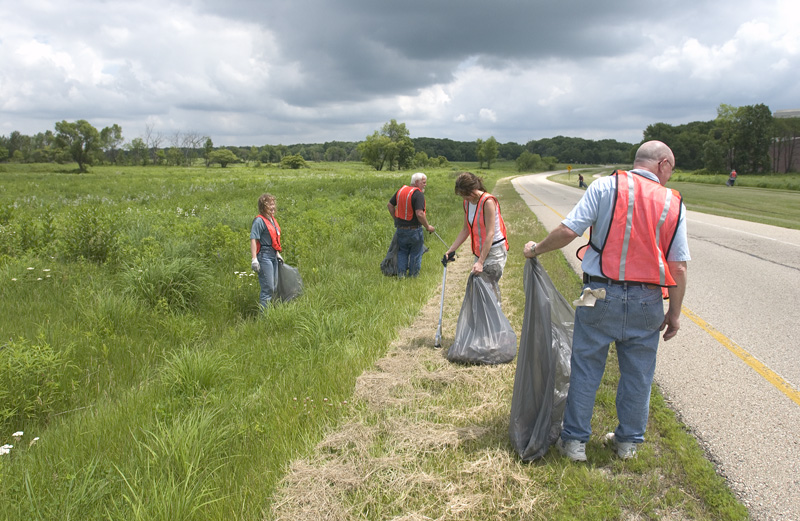
To prepare for Take Care of Oregon Days, we are conducting free Volunteer
Action Trainings in your area that will help you envision your project. The
workshops will focus on recruiting and leading volunteers; project
logistics and safety; preventing volunteer burnout; working with media; and
fundraising. The training will help you work with your neighbors to improve
your community, and is free for anyone planning a community project.
Volunteer Action Trainings in Douglas County
Reedsport – Wednesday, October 10th from 10AM to 2PM
Reedsport Umpqua Discovery Center (409 Riverfront Way)
Sutherlin – Tuesday, October 21st from 10AM to 2PM
Sutherlin Community Center (150 S Willamette St)
Roseburg – Monday, October 20th from 10AM to 2PM
Roseburg Health Center (621 W Madrone, Ste 132)
Canyonville – Thursday, October 23rd from 1pm to 5pm
City Council Chambers (City Hall – 250 N Main St)
For more information on these workshops, contact Douglas County RSVP at
541-957-3006.
To register, go to SOLV’s website at
http://www.solv.org/programs/volunteer_action_training.asp.
Volunteer Action Trainings in Jackson and Josephine Counties
Grants Pass – Tuesday, November 4th from 9AM to 1PM
Asante Outpatient Center (1505 NW Washington Blvd)
Medford – Tuesday, November 4th from 9AM to 1PM
Larson Creek Retirement Center (1025 Ellendale Dr)
Cave Junction – Tuesday, November 11th from 10AM to 2PM
Josephien County Bldg (102 S Redwood Hwy)
To register, go to:
http://www.solv.org/programs/volunteer_action_training.asp, or call SOLV at
1-800-333-7658.
Sincerely,
The Take Care of Oregon Days Team
Oregon 150 (www.oregon150.org)
Rural Development Initiatives
Oregon Volunteers
SOLV
commissioned by Oregon 150, Governor Kulongoski’s planning commission for
the state’s sesquicentennial in 2009, to bring you the largest volunteer
event in the State’s history - Take Care of Oregon Days! This event will
take place May 16th 2009 (in Douglas County) where 20,000 volunteers will celebrate the
State’s 150th birthday by cleaning up their downtowns, holding a food
drive, painting murals in the local school, or working on whatever their
community needs to be at its best!
To prepare for Take Care of Oregon Days, we are conducting free Volunteer
Action Trainings in your area that will help you envision your project. The
workshops will focus on recruiting and leading volunteers; project
logistics and safety; preventing volunteer burnout; working with media; and
fundraising. The training will help you work with your neighbors to improve
your community, and is free for anyone planning a community project.
Volunteer Action Trainings in Douglas County
Reedsport – Wednesday, October 10th from 10AM to 2PM
Reedsport Umpqua Discovery Center (409 Riverfront Way)
Sutherlin – Tuesday, October 21st from 10AM to 2PM
Sutherlin Community Center (150 S Willamette St)
Roseburg – Monday, October 20th from 10AM to 2PM
Roseburg Health Center (621 W Madrone, Ste 132)
Canyonville – Thursday, October 23rd from 1pm to 5pm
City Council Chambers (City Hall – 250 N Main St)
For more information on these workshops, contact Douglas County RSVP at
541-957-3006.
To register, go to SOLV’s website at
http://www.solv.org/programs/volunteer_action_training.asp.
Volunteer Action Trainings in Jackson and Josephine Counties
Grants Pass – Tuesday, November 4th from 9AM to 1PM
Asante Outpatient Center (1505 NW Washington Blvd)
Medford – Tuesday, November 4th from 9AM to 1PM
Larson Creek Retirement Center (1025 Ellendale Dr)
Cave Junction – Tuesday, November 11th from 10AM to 2PM
Josephien County Bldg (102 S Redwood Hwy)
To register, go to:
http://www.solv.org/programs/volunteer_action_training.asp, or call SOLV at
1-800-333-7658.
Sincerely,
The Take Care of Oregon Days Team
Oregon 150 (www.oregon150.org)
Rural Development Initiatives
Oregon Volunteers
SOLV
Monday, October 6, 2008
Deadline to Register
The last day to register to vote in Oregon is next Tuesday, October 14th.
Are you registered? Are your friends and family?
Are you registered? Are your friends and family?
Thursday, October 2, 2008
Wednesday, October 1, 2008
Think Local Workshops
Friends,

I am signed up to continue my education at the workshop series listed below. This is about buying and thinking local to build a better local economy.
Please join me and make a difference!
______________________________________
______________________________________
Strength in Numbers:
American Independent Business Alliance Workshops
Part I: Growing our own
Monday, October 13th, 6-9 pm, Ucc's Indian room, $5
Introductory workshop for all community members on the importance of supporting local independent business, and how utilize a local independent business alliance and ‘buy local’ campaign to help local business and strengthen our community.
Part II: Getting down to (local) business Tuesday, October 14th, 9 am—2 pm, UCC's Indian room, $35
In depth workshops on how to effectively organize and run an independent business alliance and ‘buy local’ campaign. Participants will learn the nuts and bolts messaging, branding, working with the media and government, and other ’best practices’ from other independent business alliances across the nation.
TO REGISTER FOR THESE WORKSHOPS CALL:
Pam Engle
541-440-4669
Brought to you by:
Monday, September 22, 2008
GREEN-WASH
green•wash
(grēn'wŏsh')
Used to describe the act of misleading consumers regarding the environmental practices of a company or the environmental benefits of a product or service.
Beware of the greenwash!!!

Greenwashing is a term that was coined over 20 years ago, yet it is only now becoming a term used with any regularity. It refers to companies trying to take advantage of current buying trends. When it becomes fashionable to "Buy Green", manufacturers are going to want to capitalize on this notion whether they subscribe to the actual ideologies or not. More often than not, a coat of "Greenwash" is applied to manufacturer's products or services to entice you as a consumer to them. As we begin to make more conscience buying decisions based on our impacts to our communities and environment, lets try not to be taken advantage of.
I do want to be clear about one thing, most greenwashing is due to ignorance and/or sloppiness rather than malicious intent. For example, a company promoting that they are CFC free even though CFCs were banned 20 years ago. They do not mean to be misleading, but their claim is irrelevant and can lead a consumer into believing the that product is greener than the next when in fact it is not.
Here are some things to look for when making your buying decisions:
~Avoid "Fluffy Language": Words like "Eco-Friendly" are very vague and may not have any foundation in truth.
~Avoid green products from known offenders: Compact florescent light bulbs made in China are a good example. A great, green product made in terribly dirty, polluting conditions. Rather, buy products made in the USA that have stricter standards.
~Avoid suggestive advertising: Green pictures and images do not relate to the product's relative green standards.
~Avoid irrelevant claims: The CFC example above illustrates how emphasizing one tiny green attribute when everything else is un-green can be misleading.
~Avoid "Best In Class" claims: Declaring you are slightly greener than the rest, even if the rest are pretty terrible.
~Make sure green claims are credible: Eco friendly’ cigarettes anyone? ‘Greening’ a dangerous product doesn’t make it safe
.
We are presented with many difficult buying decisions every day. Yes, buy the lesser of any evil when you have the chance. But remember, buying less is always going to save you money and create less waste. We generate over 8 pounds of waste per person per day in the State of Oregon. Only buying less material and pairing that with recycling is going to reduce our impact on the environment.
Together by Reducing, Reusing, and Recycling we can "Trash Douglas County Less!"
(grēn'wŏsh')
Used to describe the act of misleading consumers regarding the environmental practices of a company or the environmental benefits of a product or service.
Beware of the greenwash!!!
Greenwashing is a term that was coined over 20 years ago, yet it is only now becoming a term used with any regularity. It refers to companies trying to take advantage of current buying trends. When it becomes fashionable to "Buy Green", manufacturers are going to want to capitalize on this notion whether they subscribe to the actual ideologies or not. More often than not, a coat of "Greenwash" is applied to manufacturer's products or services to entice you as a consumer to them. As we begin to make more conscience buying decisions based on our impacts to our communities and environment, lets try not to be taken advantage of.
I do want to be clear about one thing, most greenwashing is due to ignorance and/or sloppiness rather than malicious intent. For example, a company promoting that they are CFC free even though CFCs were banned 20 years ago. They do not mean to be misleading, but their claim is irrelevant and can lead a consumer into believing the that product is greener than the next when in fact it is not.
Here are some things to look for when making your buying decisions:
~Avoid "Fluffy Language": Words like "Eco-Friendly" are very vague and may not have any foundation in truth.
~Avoid green products from known offenders: Compact florescent light bulbs made in China are a good example. A great, green product made in terribly dirty, polluting conditions. Rather, buy products made in the USA that have stricter standards.
~Avoid suggestive advertising: Green pictures and images do not relate to the product's relative green standards.
~Avoid irrelevant claims: The CFC example above illustrates how emphasizing one tiny green attribute when everything else is un-green can be misleading.
~Avoid "Best In Class" claims: Declaring you are slightly greener than the rest, even if the rest are pretty terrible.
~Make sure green claims are credible: Eco friendly’ cigarettes anyone? ‘Greening’ a dangerous product doesn’t make it safe
.
We are presented with many difficult buying decisions every day. Yes, buy the lesser of any evil when you have the chance. But remember, buying less is always going to save you money and create less waste. We generate over 8 pounds of waste per person per day in the State of Oregon. Only buying less material and pairing that with recycling is going to reduce our impact on the environment.
Together by Reducing, Reusing, and Recycling we can "Trash Douglas County Less!"
Monday, September 15, 2008
Recycling at Home
I get calls like this every day…”How do I get one of those pretty blue (or green) bins to do my recycling in?”. This query comes most often from folks who haul their own waste to the landfill and desire an attractive container like their neighbors who use the local curbside garbage service. My answer is always…”You can only have one if you subscribe to garbage service.”
As you can imagine, some folks are confused and disappointed. I do go on to say that you do not need pretty blue bins to do your recycling at home. Anyway, those bins cost over $15 each! I suggest that each family or office that wishes to recycle more, simply develop a system that works for them. There is not any “one” system that works for everyone. Each location may choose to recycle more or less materials than the next and everyone has different space limitations.
I would like to point out as you develop a system in your home, that no matter what you do, you will still be managing the same amount of waste whether you recycle or dispose. You are simply storing it a bit differently. To save on space, seriously consider reducing the amount of waste you generate. This will cut down on the space required to prepare your trash and recyclables for removal. Composting is a great way to mitigate the amount of material going into your trash. By composting you can keep out all yard debris, food waste, and food contaminated paper waste like paper towels and hamburger wrappers. And your garbage may not stink anymore!
As you can imagine, some folks are confused and disappointed. I
do go on to say that you do not need pretty blue bins to do your recycling at home. Anyway, those bins cost over $15 each! I suggest that each family or office that wishes to recycle more, simply develop a system that works for them. There is not any “one” system that works for everyone. Each location may choose to recycle more or less materials than the next and everyone has different space limitations.I would like to point out as you develop a system in your home, that no matter what you do, you will still be managing the same amount of waste whether you recycle or dispose. You are simply storing it a bit differently. To save on space, seriously consider reducing the amount of waste you generate. This will cut down on the space required to prepare your trash and recyclables for removal. Composting is a great way to mitigate the amount of material going into your trash. By composting you can keep out all yard debris, food waste, and food contaminated paper waste like paper towels and hamburger wrappers. And your garbage may not stink anymore!
The system I use at home is the one I recommend to people who have a little room to work with. Simply find 4 small garbage cans or large containers and label them GLASS, METAL, PAPER, and PLASTIC. By putting these materials in its own container, you now have much more room in your garbage containers and can usually get rid of a container or two and even reduce the last one in size. I have a family of 5 and only fill our can ½ way over 2 weeks by recycling everything we can, composting, and reducing our waste.
Once one of your labeled cans is near full, simply take it with you when you haul your trash. That way you are only managing one recyclable on your trip. This reduces your efforts and stress. By separating your recyclables from your trash and composting, you will not have to go to the landfill as often, thus saving on fuel and money.
Together we can all Reduce, Reuse, and Recycle to “Trash Douglas County Less!”
Once one of your labeled cans is near full, simply take it with you when you haul your trash. That way you are only managing one recyclable on your trip. This reduces your efforts and stress. By separating your recyclables from your trash and composting, you will not have to go to the landfill as often, thus saving on fuel and money.
Together we can all Reduce, Reuse, and Recycle to “Trash Douglas County Less!”
Wednesday, September 10, 2008
Pack it up!
Goods and materials are shipped all over the world every day. These items are packed and delivered using many different types of containers and packing materials. Some are better for our environment than others.
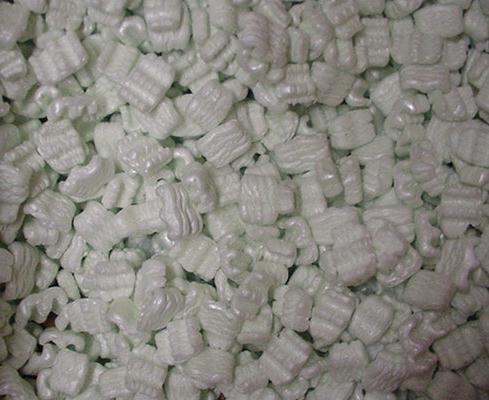 When boxes are shipped there is space that is created, this is know as a “void”. This void must be filled in to protect the material being shipped. Polystyrene, better known by the brand name “Styrofoam” is the cheapest and usually easiest material to use as a void fill. As cost and convenience are very important, styrene has its disadvantages as well.
Styrenes do not break down over the centuries like other plastics. The methods that create styrene inflate the base materials thereby expanding it 900%. The finished product is 10% plastic and 90% air.
Until recently this material was not even recyclable. But recent technological improvements have made it possible, but at 90% air, it is not financially feasible to ship the material to market. So the material ends up in our landfill taking up valuable space.
Alternatives to Styrofoam abound. Air packs and bubble wrap can be reused or recycled easily with shopping bags. Shredded paper is readily available for free in many locations and can be reused or recycled for free as well. And soft goods like clothing should be delivered in shipping bags as bags take up less room on the truck, take less energy to make, are lighter, and do not require void-fills, thus demonstrating a more environmentally preferable alternative.
Until a local enterprise invests the $100,000 needed to recycle Styrofoam locally, it is a waste product. Instead, purchase materials like paper and plastic that can be recycled locally. Styrene shipping peanuts should NEVER be thrown away. Instead, reuse them or take them to a shipping outfit like the UPS Store, Goin’ Postal, or the Associated Buyer’s Postal Annex for them to reuse. They accept shipping peanuts for free drop off.
Together we can all Reduce, Reuse, and Recycle to “Trash Douglas County Less!”
When boxes are shipped there is space that is created, this is know as a “void”. This void must be filled in to protect the material being shipped. Polystyrene, better known by the brand name “Styrofoam” is the cheapest and usually easiest material to use as a void fill. As cost and convenience are very important, styrene has its disadvantages as well.Styrenes do not break down over the centuries like other plastics. The methods that create styrene inflate the base materials thereby expanding it 900%. The finished product is 10% plastic and 90% air.
Until recently this material was not even recyclable. But recent technological improvements have made it possible, but at 90% air, it is not financially feasible to ship the material to market. So the material ends up in our landfill taking up valuable space.
Alternatives to Styrofoam abound. Air packs and bubble wrap can be reused or recycled easily with shopping bags. Shredded paper is readily available for free in many locations and can be reused or recycled for free as well. And soft goods like clothing should be delivered in shipping bags as bags take up less room on the truck, take less energy to make, are lighter, and do not require void-fills, thus demonstrating a more environmentally preferable alternative.
Until a local enterprise invests the $100,000 needed to recycle Styrofoam locally, it is a waste product. Instead, purchase materials like paper and plastic that can be recycled locally. Styrene shipping peanuts should NEVER be thrown away. Instead, reuse them or take them to a shipping outfit like the UPS Store, Goin’ Postal, or the Associated Buyer’s Postal Annex for them to reuse. They accept shipping peanuts for free drop off.
Together we can all Reduce, Reuse, and Recycle to “Trash Douglas County Less!”
Monday, July 7, 2008
What about the Mercury?
With the advent of the compact fluorescent light (CFL) bulb 20 years ago, we embarked on a new generation of energy efficient technology and have not looked back. Now that many of these bulbs are being made in bulk and of lesser quality, they are not lasting the 10+ years the originals did. We can however expect about 5 years out of the average CFL bulb.
To reduce waste and maximize your purchase, I would recommend the following:
· Let your CFL burn for at least 1 hour the first time you put it in. This will make it burn brighter it entire life.
· Throw away all your incandescent bulbs and replace them with CFL bulbs. This will save you lots of money, even though it may be hard to bring yourself to do it.
· Recycle your CFL bulbs at Home Depot when they finally do burn out. It is free!
Many people are worried that each CFL bulb has trace amounts of mercury. I am too. But what you need to realize is, that 60% of our power comes not from hydro-electric, but coal. When we burn coal for power, mercury is one of the greatest pollutants from the process. By using the more energy efficient CFL bulbs, we prevent many times more mercury from being generated and thereby create a cleaner environment.
If you break a CFL, do not worry, do not call Hazmat, simply open your windows and use a damp paper towel to clean up the powder and simply dispose of the debris in your trash. There has been much misinformation recently about the dangers of broken CFL bulbs in the mainstream media, most of which sensationalized a trivial concern.
Don’t forget that together we can reduce our waste and “Trash Douglas County Less!”
To reduce waste and maximize your purchase, I would recommend the following:
· Let your CFL burn for at least 1 hour the first time you put it in. This will make it burn brighter it entire life.
· Throw away all your incandescent bulbs and replace them with CFL bulbs. This will save you lots of money, even though it may be hard to bring yourself to do it.
· Recycle your CFL bulbs at Home Depot when they finally do burn out. It is free!
Many people are worried that each CFL bulb has trace amounts of mercury. I am too. But what you need to realize is, that 60% of our power comes not from hydro-electric, but coal. When we burn coal for power, mercury is one of the greatest pollutants from the process. By using the more energy efficient CFL bulbs, we prevent many times more mercury from being generated and thereby create a cleaner environment.
If you break a CFL, do not worry, do not call Hazmat, simply open your windows and use a damp paper towel to clean up the powder and simply dispose of the debris in your trash. There has been much misinformation recently about the dangers of broken CFL bulbs in the mainstream media, most of which sensationalized a trivial concern.
Don’t forget that together we can reduce our waste and “Trash Douglas County Less!”
Tuesday, June 24, 2008
Reverse Vending Machine Update
I receive multiple calls from the public asking about or complaining about those machines at grocery stores that collect ourbottles and cans. The larger stores have them as a way to minimize the labor associated with the redemption of deposit containers as well as a means to keep the contaminants out of the store itself. In theory, this is sound. In practice however, the public is loud and clear about their distain for the machines that breakdown frequently, are filthy, inaccuate, and over busy. And things are only going to get worse.
These machines are known as Reverse Vending Machines and there is no sign of getting away from them. They are all over the world and are the preferred method of collection by state-run and privately held recycling programs nationwide. When they malfunction or cannot read a barcode this does NOT absolve them from taking containers back. They are still required by law to accept clean, identifiable containers that are sold in their store.
Coming up on January 1, 2009 water bottles will be added to the list of containers requireing a deposit to be redeemed upon return to the store. This will be a boon to recycling efforts considering that the current rate of water bottle recycling is in the low 20% range while soda containers are in the high 80% range. The nickle deposit has proven a great incentive for the diversion of this material from the landfill. With the inclusion of water bottles, the lines look to become a bit longer.
But have no fear, I do have some tips for you when dealing with returning containers for deposit.
· Do not wait too long before returning containers. Shorter trips make for better experiences.
· Return your containers to the store you bought them at to lessen the load on the handfull of stores with machines.
· Do not crush your containers.
· Do not fill them with cigarettes or chew.
· All stores selling deposit container MUST take them back (with conditions).
· To avoid returning them all together, donate them to a local youth group.
If a store tries to deny you the ablility to return containers under the rules set forth by the Oregon Bottle Bill, contact the Oregon Liquor Control Commission (OLCC) to register a complaint. They are the enforcement arm of the bill. You can contact Jan Smith with the OLCC at 1-800-452-6522 to file a complaint.
Don’t forget that together we can reduce our waste and “Trash Douglas County Less!”
For more information on reducing your waste, call on me or visit us online at http://www.recyclepower.org/ and to see this blog in print, pick up your current copy of the Douglas County News!
These machines are known as Reverse Vending Machines and there is no sign of getting away
 from them. They are all over the world and are the preferred method of collection by state-run and privately held recycling programs nationwide. When they malfunction or cannot read a barcode this does NOT absolve them from taking containers back. They are still required by law to accept clean, identifiable containers that are sold in their store.
Coming up on January 1, 2009 water bottles will be added to the list of containers requireing a deposit to be redeemed upon return to the store. This will be a boon to recycling efforts considering that the current rate of water bottle recycling is in the low 20% range while soda containers are in the high 80% range. The nickle deposit has proven a great incentive for the diversion of this material from the landfill. With the inclusion of water bottles, the lines look to become a bit longer.
But have no fear, I do have some tips for you when dealing with returning containers for deposit.
· Do not wait too long before returning containers. Shorter trips make for better experiences.
· Return your containers to the store you bought them at to lessen the load on the handfull of stores with machines.
· Do not crush your containers.
· Do not fill them with cigarettes or chew.
· All stores selling deposit container MUST take them back (with conditions).
· To avoid returning them all together, donate them to a local youth group.
If a store tries to deny you the ablility to return containers under the rules set forth by the Oregon Bottle Bill, contact the Oregon Liquor Control Commission (OLCC) to register a complaint. They are the enforcement arm of the bill. You can contact Jan Smith with the OLCC at 1-800-452-6522 to file a complaint.
Don’t forget that together we can reduce our waste and “Trash Douglas County Less!”
For more information on reducing your waste, call on me or visit us online at http://www.recyclepower.org/ and to see this blog in print, pick up your current copy of the Douglas County News!
Monday, June 16, 2008
School's Out For Summer
Now that the kids are around and underfoot, now would be a great time to capture their energy. They are coming off a busy school year where I hoped they learned about the 3R’s of recycling; Reduce, Reuse, Recycle. You could easily sit down with them and develop a new recycling program at your home or update your existing one. Here is what I suggest. 
For those of you who self-haul (75% of the county), the simplest thing to do is get 4 big garbage cans. With your kids, label the first one “Clean Paper”. This is where all your newspaper, cereal boxes, magazines, junk mail, and any other scrap paper goes. The second mark “Clean Plastic”. Here you will put your bottles, tubs, lids, trays, hangars, toys, etc… all of which is free of food and oil. The third simply mark “Metal”. Here is where your tin cans and aluminum goes. For the last one, mark “Glass Bottles and Jars”. Simply rinse your bottles and jars and place carefully in the can.
Once this is done you are ready to go!
Now, on you regular weekly garbage trip to the transfer station (aka “the dump” or “landfill”), simply grab the bin or bins that are full and ready to go. When you get to the transfer station you will find places to put the four materials described along with all your cardboard, yard waste, motor oil, car batteries, and plastic bags all for recycling!
Don’t forget that together we can reduce our waste and “Trash Douglas County Less!”
For more information on reducing your waste, visit us online at www.RecyclePower.org
For those of you who self-haul (75% of the county), the simplest thing to do is get 4 big garbage cans. With your kids, label the first one “Clean Paper”. This is where all your newspaper, cereal boxes, magazines, junk mail, and any other scrap paper goes. The second mark “Clean Plastic”. Here you will put your bottles, tubs, lids, trays, hangars, toys, etc… all of which is free of food and oil. The third simply mark “Metal”. Here is where your tin cans and aluminum goes. For the last one, mark “Glass Bottles and Jars”. Simply rinse your bottles and jars and place carefully in the can.
Once this is done you are ready to go!
Now, on you regular weekly garbage trip to the transfer station (aka “the dump” or “landfill”), simply grab the bin or bins that are full and ready to go. When you get to the transfer station you will find places to put the four materials described along with all your cardboard, yard waste, motor oil, car batteries, and plastic bags all for recycling!
Don’t forget that together we can reduce our waste and “Trash Douglas County Less!”
For more information on reducing your waste, visit us online at www.RecyclePower.org
Monday, June 9, 2008
Say No to Foam
It is the cheapest, lightest, strongest, and most wasteful packing materials out there. It can look like blocks, peanuts, sheets, and even cups and trays. Polystyrene, also known by its more popular name brand Stryofoam is the world’s favorite packing materials. Polystyrene (PS) is part of our everyday lives and is hard to avoid.
PS is made from oil or natural gas, primarily out of Canada and is not a renewable resource. It is harmful to animals when ingested and never, ever biodegrades in a landfill or in the open air. It is 95% air and takes up room in our garbage bins and landfills costing us extra money on disposal. When burned, PS turns into a toxin known as dioxin is created and thus pollutes the air with a world class “super toxin” associated with birth defects. PS is not recyclable locally, and due to the fiscal restraints associated with transporting a product made of mostly air, it cannot be shipped to Portland for recycling.
So how do we eliminate PS from our lives? It becomes challenging for sure. We must first decide that the negative impacts associated with PS are more important than the convenience it provides. Then we simply avoid it as best we can. Here are a few tips:
• Bring your own coffee cup and offer durables to others.
• Take PS peanuts to your local shipper for reuse.
• By used electronics to avoid the packaging.
• Bring your own take out containers.
• When given a purchasing choice, choose plastic instead. It can be recycled.
• Buy paper goods and compost the waste paper.
• Ask for alternatives when ordering or purchasing.
• Be a conscious consumer.
PS is made from oil or natural gas, primarily out of Canada and is not a renewable
resource. It is harmful to animals when ingested and never, ever biodegrades in a landfill or in the open air. It is 95% air and takes up room in our garbage bins and landfills costing us extra money on disposal. When burned, PS turns into a toxin known as dioxin is created and thus pollutes the air with a world class “super toxin” associated with birth defects. PS is not recyclable locally, and due to the fiscal restraints associated with transporting a product made of mostly air, it cannot be shipped to Portland for recycling.So how do we eliminate PS from our lives? It becomes challenging for sure. We must first decide that the negative impacts associated with PS are more important than the convenience it provides. Then we simply avoid it as best we can. Here are a few tips:
• Bring your own coffee cup and offer durables to others.
• Take PS peanuts to your local shipper for reuse.
• By used electronics to avoid the packaging.
• Bring your own take out containers.
• When given a purchasing choice, choose plastic instead. It can be recycled.
• Buy paper goods and compost the waste paper.
• Ask for alternatives when ordering or purchasing.
• Be a conscious consumer.
Friday, May 30, 2008
Follow the Fesitvals
The season is upon us where we all start heading out with our friends and families to enjoy the great community that surrounds us. Douglas County is a beautiful place with a myriad of happenings throughout the spring and summer.
Fairs, events, festivals, and concerts abound; each one with its unique offerings and character. Each one having something in common with the next…..trash.
Event managers understand the importance of managing waste. Here in.jpg) Douglas County we are both blessed and cursed with a “free” landfill. On one hand this opportunity makes it easy and cheap to dispose of waste. On the other hand, this obstacle makes it challenging to remember the importance of recycling.
Douglas County we are both blessed and cursed with a “free” landfill. On one hand this opportunity makes it easy and cheap to dispose of waste. On the other hand, this obstacle makes it challenging to remember the importance of recycling.
Douglas County Public Works has secured by donation from Roseburg Disposal, a recycling trailer for use at special events. This trailer was debuted at the Yoncalla Hazardous Waste Collection Event this past weekend. Along with staff support and technical assistance, this trailer and dozens of collection bins are available for free reservation for your event.
This program has been successful at events such as Music on the Half Shell, the Douglas County Fair, and Riverbend Live. The addition of the trailer will make the collection of recyclables much easier and efficient. It will even save you money!
Fairs, events, festivals, and concerts abound; each one with its unique offerings and character. Each one having something in common with the next…..trash.
Event managers understand the importance of managing waste. Here in
.jpg) Douglas County we are both blessed and cursed with a “free” landfill. On one hand this opportunity makes it easy and cheap to dispose of waste. On the other hand, this obstacle makes it challenging to remember the importance of recycling.
Douglas County we are both blessed and cursed with a “free” landfill. On one hand this opportunity makes it easy and cheap to dispose of waste. On the other hand, this obstacle makes it challenging to remember the importance of recycling.Douglas County Public Works has secured by donation from Roseburg Disposal, a recycling trailer for use at special events. This trailer was debuted at the Yoncalla Hazardous Waste Collection Event this past weekend. Along with staff support and technical assistance, this trailer and dozens of collection bins are available for free reservation for your event.
This program has been successful at events such as Music on the Half Shell, the Douglas County Fair, and Riverbend Live. The addition of the trailer will make the collection of recyclables much easier and efficient. It will even save you money!
Friday, May 23, 2008
Politcal Landscape
Whew, the spring election cycle is over. This is one Douglas County resident who is glad to have not been running for office this year! Regardless of you position on issues or candidates, many of us are left with quite a few political signs in our possession. Since last Wednesday I have been receiving numerous calls regarding what to do with these remnants of the election.
The answer is very simple. Recycle them!
If at all possible, contact the campaign manager of your issue or candidate to see if they want them back. Reusing them is always better than recycling because less new material needs to go into the campaign process.
If the folks representing the issue or candidate do not want their signs back, simply take your sign off the post and take it to your nearest recycle depot. Each transfer station has a recycle depot and is ready to accept all your plastic waste. I am certain you will find plenty of uses for the wooden stake. I think the vampires will be staying clear of Douglas County for quite some time now.
The answer is very simple. Recycle them!
If at all possible, contact the campaign manager of your issue or candidate to see if they want them back. Reusing them is always better than recycling because less new material needs to go into the campaign process.
If the folks representing the issue or candidate do not want their signs back, simply take your sign off the post and take it to your nearest recycle depot. Each transfer station has a recycle depot and is ready to accept all your plastic waste. I am certain you will find plenty of uses for the wooden stake. I think the vampires will be staying clear of Douglas County for quite some time now.
Monday, May 12, 2008
Household Hazardous Waste Event
Everyone has it. No one wants it in their garbage. What do you do with it? 
First of all what is it? Almost every home contains hazardous products, or products that can harm human health or the environment if improperly handled. These are products used in cleaning, home improvements, automobile maintenance, lawn and garden care, hobbies, and a variety of other tasks.
Each year, thousands of people are injured by exposure or accident involving hazardous household waste or HHW. Because of the dangers they pose, these products require special awareness, handling, and disposal. In order to protect health and environment, every consumer should know how to properly use, store, and dispose of HHW.
The key is to avoid purchasing anything that may be difficult to dispose of. However when we have leftover toxics, try to find someone to use the remaining material. It is preferred to use the substance as it was intended rather than process it for disposal. If you still have materials left over, contain the materials for long term storage in air tight containers and identify the contents well.
Since Douglas County does not charge for general garbage disposal, there aren’t any funds available for the development of a HHW collection facility. This poses a problem since we cannot dispose of any liquids into the landfill as per state law. The primary disposal option is to deliver the toxics to the Eugene HHW collection site by appointment. You can do this by calling 541-682-4120 Monday-Friday.
The only other option is coming up this month on Saturday, May 31st from 10am to 2pm at Yoncalla High School. The City of Yoncalla has qualified for a grant to put on a special one day HHW collection event. There, a professional contractor will be accepting all sorts of HHW from paint to florescent light bulbs. You can bring aerosol cans, antifreeze, chemicals, batteries, fuels, pesticides, insecticides, thermometers, mercury, and sharps containers. Simply keep any products in their original containers if possible, do not mix any products, and keep them away from any passengers while transporting. Do not bring any explosives or radioactive waste.
This grant is made possible by the Oregon Department of Environmental Quality. The City of Yoncalla has partnered with DEQ, Douglas County Public Works, and North Douglas Fire & EMS.
For more information about this event contact Kathy at the City of Yoncalla at 541-849-2152
First of all what is it? Almost every home contains hazardous products, or products that can harm human health or the environment if improperly handled. These are products used in cleaning, home improvements, automobile maintenance, lawn and garden care, hobbies, and a variety of other tasks.
Each year, thousands of people are injured by exposure or accident involving hazardous household waste or HHW. Because of the dangers they pose, these products require special awareness, handling, and disposal. In order to protect health and environment, every consumer should know how to properly use, store, and dispose of HHW.
The key is to avoid purchasing anything that may be difficult to dispose of. However when we have leftover toxics, try to find someone to use the remaining material. It is preferred to use the substance as it was intended rather than process it for disposal. If you still have materials left over, contain the materials for long term storage in air tight containers and identify the contents well.
Since Douglas County does not charge for general garbage disposal, there aren’t any funds available for the development of a HHW collection facility. This poses a problem since we cannot dispose of any liquids into the landfill as per state law. The primary disposal option is to deliver the toxics to the Eugene HHW collection site by appointment. You can do this by calling 541-682-4120 Monday-Friday.
The only other option is coming up this month on Saturday, May 31st from 10am to 2pm at Yoncalla High School. The City of Yoncalla has qualified for a grant to put on a special one day HHW collection event. There, a professional contractor will be accepting all sorts of HHW from paint to florescent light bulbs. You can bring aerosol cans, antifreeze, chemicals, batteries, fuels, pesticides, insecticides, thermometers, mercury, and sharps containers. Simply keep any products in their original containers if possible, do not mix any products, and keep them away from any passengers while transporting. Do not bring any explosives or radioactive waste.
This grant is made possible by the Oregon Department of Environmental Quality. The City of Yoncalla has partnered with DEQ, Douglas County Public Works, and North Douglas Fire & EMS.
For more information about this event contact Kathy at the City of Yoncalla at 541-849-2152
Monday, May 5, 2008
Special Events
This county represents community at its best. Douglas County supports its own through partnerships, relationships, out outreach. It is no different when it comes to recycling.
In the past couple of weeks, we have seen electronic roundups, tennis shoe collections, can and bottle drives, and most recently free paper shredding. Local banks bring in regional paper shredders for one day collections of their old files. Many then offer to their customers an opportunity to bring in some of their own private documents for destruction. These “Paper Shredding Days” are a wonderful chance to recycle in our community. By shredding, one can be 100% confident in the end of life destination of their secure documents.
Oregon Pacific Bank and Premier West have held events in the past couple weeks. Now, Cascade Community Credit Union in Roseburg is having a Paper Shredding Day this coming Saturday, May 10th from 10 am til 2pm at their branch located at 1123 W. Harvard Ave.
In the past couple of weeks, we have seen electronic roundups, tennis shoe collections, can and
bottle drives, and most recently free paper shredding. Local banks bring in regional paper shredders for one day collections of their old files. Many then offer to their customers an opportunity to bring in some of their own private documents for destruction. These “Paper Shredding Days” are a wonderful chance to recycle in our community. By shredding, one can be 100% confident in the end of life destination of their secure documents.Oregon Pacific Bank and Premier West have held events in the past couple weeks. Now, Cascade Community Credit Union in Roseburg is having a Paper Shredding Day this coming Saturday, May 10th from 10 am til 2pm at their branch located at 1123 W. Harvard Ave.
Paper Recycling Event!
Coming up this coming Saturday May 10th, from 10am to 2pm, Cascade Community Credit Union is offering FREE paper shredding! Please see the poster below. You should feel welcome to share this information with your friends and family. All the paper will be secure and recycled.

Thursday, April 24, 2008
Exceptional Earth Day!
The 8th Annual Earth Day and Energy Fair happened this past weekend with enormous community turnout and participation. Over 80 exhibitors were on hand to showcase conservation, sustainability, and green living. Event organizers report that nearly 3000 Douglas County Residents came out to brave the snow and hail to enjoy the free event, music, and prizes.
The most extraordinary part of this year’s Earth Day and Energy Fair at the Douglas County Fairgrounds, is that organizers planned a couple of recycling events to coincide with the festivities. First, nearly 700 pounds of used tennis shoes were collected in front of Douglas Hall and delivered to Nike in Eugene to be ground up into new athletic running tracks. Second, 3 truckloads of electronic waste was collected for recycling from local businesses and families. This amounts to 24,000 pounds or 12 tons of waste diverted from our local landfill.
In addition, the event demonstrated how a large scale venue like the Douglas County Fairgrounds can successfully subscribe to a “zero waste” philosophy. Each exhibitor was encouraged to minimize waste, as was the concessionaire. Organizers provided zero garbage cans; only recycle bins staffed by volunteers to educate fair goers. A waste audit at the end of the event indicated that of the 227.2 pounds of waste generated; only 5 pounds went to the landfill as garbage. The rest was either recycled or composted. This amounted to a recycling rate of 97.5%. The average household in Douglas County only recycles 30%.
Chris McCullough, Douglas County Waste Reduction Manager and event coordinator stated “The success of this program is due in large part to the great partnerships and volunteers.” McCullough goes on to say that “Douglas County is rich in community leadership. Despite differing approaches and ideologies, each partner and volunteer is fully engaged in the shared goal of a clean, green Oregon.
For more information on this or any other of the County’s waste reduction programs contact Douglas County Public Works at 440-4350 or visit them online at http://www.recyclepower.org/
Press release issued by Douglas County Public Works
The most extraordinary part of this year’s Earth Day and Energy Fair at the Douglas County Fairgrounds, is that organizers planned a couple of recycling events to coincide with the festivities. First, nearly 700 pounds of used tennis shoes were collected in front of Douglas Hall and delivered to Nike in Eugene to be ground up into new athletic running tracks. Second, 3 truckloads of electronic waste was collected for recycling from local businesses and families. This amounts to 24,000 pounds or 12 tons of waste diverted from our local landfill.

In addition, the event demonstrated how a large scale venue like the Douglas County Fairgrounds can successfully subscribe to a “zero waste” philosophy. Each exhibitor was encouraged to minimize waste, as was the concessionaire. Organizers provided zero garbage cans; only recycle bins staffed by volunteers to educate fair goers. A waste audit at the end of the event indicated that of the 227.2 pounds of waste generated; only 5 pounds went to the landfill as garbage. The rest was either recycled or composted. This amounted to a recycling rate of 97.5%. The average household in Douglas County only recycles 30%.
Chris McCullough, Douglas County Waste Reduction Manager and event coordinator stated “The success of this program is due in large part to the great partnerships and volunteers.” McCullough goes on to say that “Douglas County is rich in community leadership. Despite differing approaches and ideologies, each partner and volunteer is fully engaged in the shared goal of a clean, green Oregon.
For more information on this or any other of the County’s waste reduction programs contact Douglas County Public Works at 440-4350 or visit them online at http://www.recyclepower.org/
Press release issued by Douglas County Public Works
Wednesday, April 23, 2008
Reduce, Reuse, Recycle
By Kathy Presnell
It is not often that mothers get to blame their daughters for something, but I blame my recycling bug on my daughter, Onica Kibby.
She was an environmental science major at Willamette University in Salem, and as she shared what she was learning, I became increasingly aware of the impact my life was having on the environment. Then she bought me a composter for my birthday several years ago and I was instantly smitten. I have so much fun turning food waste into nutrient-rich loam, I cannot wait to take my scraps out to the composter and give it a stir! 
I take special joy in running through the shredder the credit card offers I receive in the mail, and then adding the shreddings to the compost bin. I figure they are adding “manure” to the pile.
To me, recycling is a natural extension of what mothers teach their kids to do — pick up after yourself.
Before you purchase something, be mindful of how you will dispose of it when it is done. I have experimented in my small kitchen with a variety of configurations of recycling centers and the one I have found works best for me is a general, commingled bin in the kitchen and then a sorting area out on the patio. There I sort items into six bins with lids: glass, aluminum/tin, plastic, mixed paper, newspaper and magazines. The compost goes in a bucket under the sink.
Because we don’t use a garbage service, I take the bins to one of the local Sunrise Enterprises recycling centers on my way to work once a week. With these simple recycling efforts we have been able to cut the amount of trash we take to the landfill by more than half.
Away from the house, I am on a crusade against Styrofoam ... specifically the little Styrofoam containers that restaurants provide for leftovers. It never disintegrates, and in 500 years (I did the math!) your great- great- great- great- great- great- great- great- great- great- grandchildren will still be looking at the container you had to have because you could not finish your sandwich. So I take a reusable plastic container (think Tupperware or Gladware) with me when I go out to eat and pack my leftovers in that.
Restaurants love it! You are saving them money, and as long as you are just filling it with items that are already on your table, it doesn't violate any health codes.
This year I purchased a half share in Big Lick Farms, the community-supported agriculture farm in Myrtle Creek. My produce should start arriving in a couple of weeks, and I am eager to see what I will be getting. In this way I can support a local farmer, enjoy fresh produce for eight months of the year and know that only a small amount of fuel was expended delivering it to me.
The trunk of my car is full of used athletic shoes donated by members of Downtown Fitness and Aerobics toward our Reuse-A-Shoe program at this weekend’s Earth Day and Energy Fair. We collect worn shoes and give them to Nike, and they in turn shred them and recycle them into track and playground surfaces. The Roseburg High Leadership class has been an active participant in this drive, as well as Sunrise Enterprises. We hope to save 1,000 pairs of shoes from going into the local landfill this year.
On the road, my car's carbon generation is offset through Terrapass. I tell them the number of miles I drive in a year and pay them to plant trees to offset that usage. But a better transportation alternative may be in my future. Onica and her husband Ryan just bought an electric scooter and they brought it down this weekend for the Energy Fair for me to try. I have a feeling she may just start me on something new!
Recycling is easy and sensible. It is important that you find a system that works with your lifestyle and available space. Start small by studying your garbage and see what two things you could easily keep out of the landfill (like plastic and mixed paper) and start recycling those. Once you have done that for a couple of weeks, concentrate on another item (like aluminum/tin).
Eventually you will find more and more ways to divert items from the landfill and back into service through recycling and composting.
I love drinking water out of plastic bottles – they are so convenient, measurable and portable. So I wash mine in warm, soapy water and refill them. When they are worn out, I recycle them. It is reduce, reuse and recycle for a reason – reduce waste generation, reuse what you can and recycle what you cannot reuse.
Kathy Presnell is a volunteer with the Waste Reduction/Recycling office of Douglas County. This posting is as published in the News Review.
Pineview Mobile Home Estates Sets the Bar
When driving around town, everywhere you go you can find a garbage dumpster within view. Every now and again, you may even find a receptacle for recycling your old corrugated cardboard courtesy of your local garbage hauler. But how many other private opportunities exist out there to recycle other items? More importantly why do we not see these opportunities? The answer comes down to time.
It takes time and energy to manage waste responsibly. It does not require  more money, just more thought.
In Sutherlin, Pineview Mobile Home Estates has demonstrated that thoughtfulness by providing North County’s newest recycling opportunity. For the residents within their two parks, Pineview has designated and area specifically for recycling. Pineview residents can now recycle all clean mixed paper, tin, aluminum, plastic, glass containers, newspaper, and cardboard. By partnering with Sunrise Enterprises for free pick up, Pineview’s owners and managers are realizing enough savings on monthly garbage bills to pay for the small investment in containers and will soon experience real savings each month. Kudos go out to these community leaders for providing their residents a true opportunity to recycle.
Recycling is an integral part of our county’s solid waste management program. By recycling we are diverting waste away from the landfill, thereby saving precious and expensive space. In addition we are reclaiming important renewable resources such as wood fiber, plastics, metal, and glass. All while providing employment for Oregon’s workers.
By recycling our materials through the opportunities that abound, you can save money and precious natural resources and energy. If you want to know more about waste reduction, contact me today. Together we can Reduce, Reuse, and Recycle and Trash Douglas County Less!
Article seen as published in the North County News as part of a regular "Talkin' Trash" column.
Tuesday, April 22, 2008
E-Waste Rumors
There have been many rumors floating around about the current and future disposition of our electronics recycling partner, Monitors and More. Many people have been inquiring lately as to where they should take electronic waste since Monitors and More has shut down. 
Monitors and More has recently closed their retail location on Stephens Street in Roseburg. This has led many citizens to make some assumptions. To be perfectly clear, Monitors and More is very much alive and well. They are still located in their original warehouse location of 1900 SE Main Street in Roseburg, just behind Young’s Garden and Pet.
Monitors and More has been for the last several year an integral part of the recycling community here in Douglas County. Last year alone, over 560 tons of electronic waste was diverted from our local landfill through their recycling efforts.
Electronic waste or “E-waste” is important to recycle because it contains many toxic and environmentally hazardous materials such as lead, mercury, cadmium, and brominated flame retardants. By recycling scrap electronic components, we prevent the escape of these dangerous elements into the local water and soil.
Monitors and More currently accepts the following: Computers, monitors, stereos, VCR and DVD players, printers, scanners, cables, and more. Their motto is “if you can plug it in and it doesn’t cook something or wash something, we take it”. You can find them online at http://www.monitorsandmore.org/ for more information.
By recycling our waste through the opportunities that abound, you can save money and precious natural resources and energy. If you want to know more about waste reduction, contact me today. Together we can Reduce, Reuse, and Recycle and Trash Douglas County Less!
http://www.recyclepower.org/
Article seen as published in the North County News as part of a regular "Talkin' Trash" column.
Monitors and More has recently closed their retail location on Stephens Street in Roseburg. This has led many citizens to make some assumptions. To be perfectly clear, Monitors and More is very much alive and well. They are still located in their original warehouse location of 1900 SE Main Street in Roseburg, just behind Young’s Garden and Pet.
Monitors and More has been for the last several year an integral part of the recycling community here in Douglas County. Last year alone, over 560 tons of electronic waste was diverted from our local landfill through their recycling efforts.
Electronic waste or “E-waste” is important to recycle because it contains many toxic and environmentally hazardous materials such as lead, mercury, cadmium, and brominated flame retardants. By recycling scrap electronic components, we prevent the escape of these dangerous elements into the local water and soil.
Monitors and More currently accepts the following: Computers, monitors, stereos, VCR and DVD players, printers, scanners, cables, and more. Their motto is “if you can plug it in and it doesn’t cook something or wash something, we take it”. You can find them online at http://www.monitorsandmore.org/ for more information.
By recycling our waste through the opportunities that abound, you can save money and precious natural resources and energy. If you want to know more about waste reduction, contact me today. Together we can Reduce, Reuse, and Recycle and Trash Douglas County Less!
http://www.recyclepower.org/
Article seen as published in the North County News as part of a regular "Talkin' Trash" column.
Friday, April 11, 2008
Electronic Roundup
This Saturday, April 19th from 10AM to 4PM all  electronic waste will be accepted for FREE at the Douglas County Fairgrounds!!! In partnership with Douglas County Public Works and Allied Environmental, several tractor trailers will be in the parking lot of the fairgrounds all day to collect all types of “E-Waste”. Computers, monitors, stereos, DVD & VCR players, cell phones, cables, printers, scanners and more will be accepted for FREE.
This event is in conjunction with the 8th Annual Earth Day and Energy Fair held in and around Douglas Hall. This fair has been established to celebrate our natural resources, conservation, and a clean environment. Over 80 exhibitors will be on hand sharing a wealth of information on how to live a greener, healthier life, promote Oregon’s resources, and inspire stewardship. This is a family fun fair with lots of things for children of all ages as well as informative booths for adults.
Music and entertainment happens through out the day. Food will be on hand for sale. And there are door prizes just for coming. Local sponsors have made available two mountain bikes to be given away!
In addition to the electronics roundup, there will be a collection point to recycle your old tennis shoes. These will be collected and sent north to be ground up and turned into new running track!
By recycling our materials through the opportunities that abound, you can save money and precious natural resources and energy. If you want to know more about waste reduction, contact me today. Together we can Reduce, Reuse, and Recycle and Trash Douglas County Less!
Article seen as published in the North County News as part of a regular "Talkin' Trash" column.
Wednesday, April 9, 2008
Recycling Events

In conjunction with the Annual Earth Day and Energy Fair we are having two collection events! Please share the following information with your friends, family, patrons, and colleagues of Douglas County. If you have any questions, do not hesitate to call me.
ELECTRONICS RECYCLING DAY Date: Sat. April 19th, 10am-4pm Location: Douglas County Fairgrounds Parking Lot FREE TO DROP OFF!!! In conjunction with the Earth Day and Energy Fair! ITEMS COLLECTED: Computers (CPUs and Monitors), VCRs, DVD Players, Cell Phones, Video Game Consoles, Printers, Scanners, Cables, Stereos, etc… Businesses encouraged to participate! WHY? E-Waste composes one of the fastest growing and highly toxic waste streams in the industrialized world. There will soon be an estimated 300 million to 600 million obsolete computers in the U.S., all containing lead, mercury, cadmium, and dioxin-like flame retardants. Obsolete computers pose a serious threat to human health and the environment when improperly disposed or recycled. Sponsored by Douglas County Public Works, 440-4350 __________________________ TENNIS SHOE RECYCLING DAY Date: Saturday April 19th, 10am-4pm Location: Douglas County Fairgrounds, Douglas Hall FREE TO DROP OFF!!! In conjunction with the Earth Day and Energy Fair! Tennis Shoes in any condition accepted and will be recycled into new running tracks by NIKE. Sponsored by Douglas County Public Works, 440-4350 A special thank you to Kathy Presnell of Roseburg for organizing this event |
Monday, April 7, 2008
Every Day Is Earth Day
National Earth Day falls on April 22nd each and every year since its inception in 1970. Created as a grass-roots movement, Earth Day was designed to bring attention to the needs of our environment. In the 38 years since, much has been learned about our role in conserving natural resources, developing sustainable practices, and fostering a better understanding of our impact on future generations.
That final element I stated above is what rings most true to me. I want for my children, every opportunity I have had and more. That includes all of what Oregon offers; beautiful landscapes, healthy living, clean water and strong communities.
Don’t get me wrong, I fully support the use of our natural resources. As stewards of our land we just need to do so using sustainable models.
Earth Day is fast approaching and we should be reminded of its ideals. However, every other day of the year we should remind ourselves of our connection to the land, each other, and our children. If we approached every day as Earth Day, we will ensure that our grandchildren’s grandchildren have all of Oregon’s bounty that we have enjoyed.
By recycling our materials through the opportunities that abound, you can save money and precious natural resources and energy. If you want to know more about waste reduction, contact me today. Together we can Reduce, Reuse, and Recycle and Trash Douglas County Less!
Article seen as published in the North County News as part of a regular "Talkin' Trash" column.
Subscribe to:
Posts (Atom)



 Posts
Posts


