Friday, October 24, 2008
Thursday, October 16, 2008
Recycling Symbols
Every day I get calls about the symbols on plastic container in regards to if and how they can be recycled. I would like to share with everyone that ALL plastic is recyclable here in Douglas County.
Sunrise Enterprises who collects all the recycling at our 11 transfer stations has worked hard with us (Douglas County Public Works) to expand what it takes this past year. So has Roseburg Disposal who accepts all rigid plastics curbside. They both used to only take bottles with a neck. Plastic film (bags) are collected at all major retail stores and recycling stations.
So to make it simple, the number does not matter. I repeat, the number does not matter. If it is plastic and clean, it is recyclable. The numbers only refer to the chemical composition and not recyclability. This is problematic because every municipality has different recycling standards and collects a different mix of material. This is actually great news because it reduces your work. By taking all plastics, we have removed some of the objections to recycling like “I don’t like to sort so much” or “I don’t know if it is recyclable, so I will just throw it away”.
The following is a simple guide to illustrate what the numbers mean:
 PET or PETE (polyethylene terephthalate)
Found in: Soft drink, water and beer bottles; mouthwash bottles; peanut butter containers; salad dressing and vegetable oil containers; ovenable food trays.
Recycled into: Polar fleece, fiber, tote bags, furniture, carpet, paneling, straps, new containers
PET plastic is the most common for single-use bottled beverages, because it is inexpensive, lightweight and easy to recycle. It poses low risk of leaching breakdown products.
 HDPE (high density polyethylene)
Found in: Milk jugs, juice bottles; bleach, detergent and household cleaner bottles; shampoo bottles; some trash and shopping bags; motor oil bottles; butter and yogurt tubs; cereal box liners.
Recycled into: New bottles, pens, recycling containers, floor tile, drainage pipe, lumber, benches, doghouses, picnic tables, fencing.
HDPE is a versatile plastic with many uses, especially for packaging. It carries low risk of leaching and is readily recyclable into many goods.
 V (Vinyl) or PVC
Found in: Window cleaner and detergent bottles, shampoo bottles, cooking oil bottles, clear food packaging, wire jacketing, medical equipment, siding, windows, piping.
Recycled into: Decks, paneling, mud flaps, roadway gutters, flooring, cables, speed bumps, mats.
PVC is tough and weathers well, so it is commonly used for piping, siding and similar applications. PVC contains chlorine, so its manufacture can release highly dangerous dioxins. If you must cook with PVC, don’t let the plastic touch food. Also never burn PVC (or any other plastic for that matter), because it releases toxins.
 LDPE (low density polyethylene)
Found in: Squeezable bottles; bread, frozen food, dry cleaning and shopping bags; tote bags; clothing; furniture; carpet.
Recycled into: Trash can liners and cans, compost bins, shipping envelopes, paneling, lumber, landscaping ties, floor tile.
LDPE is a flexible plastic with many applications.
 PP (polypropylene)
Found in: Some yogurt containers, baling twine, syrup bottles, ketchup bottles, caps, straws, medicine bottles.
Recycled into: Signal lights, battery cables, brooms, brushes, auto battery cases, ice scrapers, landscape borders, bicycle racks, rakes, bins, pallets, trays.
Polypropylene has a high melting point, and so is often chosen for containers that must accept hot liquid.
 PS (polystyrene)
Found in: Disposable plates and cups, meat trays, egg cartons, carry-out containers, aspirin bottles, compact disc cases.
Recycling: Only rigid containers are accepted. Expanded Styrofoam is NOT recyclable in Douglas County.
Recycled into: Insulation, light switch plates, egg cartons, vents, rulers, foam packing, carry-out containers.
Polystyrene can be made into rigid or foam products — in the latter case it is popularly known as the trademark Styrofoam. Evidence suggests polystyrene can leach potential toxins into foods. The material was long on environmentalists’ hit lists for dispersing widely across the landscape, and for being notoriously difficult to recycle. Most places still don’t accept it, though it is gradually gaining traction.
 Miscellaneous
Found in: Three- and five-gallon water bottles, ‘bullet-proof’ materials, sunglasses, DVDs, iPod and computer cases, signs and displays, certain food containers, nylon.
Recycled into: Plastic lumber, custom-made products.
A wide variety of plastic resins that don’t fit into the previous categories are lumped into number 7. A few are even made from plants (polyactide) and are compostable. Polycarbonate is number 7, and is the hard plastic that has parents worried these days, after studies have shown it can leach potential hormone disruptors. However, manufacturers have removed the harmful elements from newly made products.
Remember, by Reduceing, Reusing, and Recycling we can Trash Douglas County Less.
Sunrise Enterprises who collects all the recycling at our 11 transfer stations has worked hard with us (Douglas County Public Works) to expand what it takes this past year. So has Roseburg Disposal who accepts all rigid plastics curbside. They both used to only take bottles with a neck. Plastic film (bags) are collected at all major retail stores and recycling stations.
So to make it simple, the number does not matter. I repeat, the number does not matter. If it is plastic and clean, it is recyclable. The numbers only refer to the chemical composition and not recyclability. This is problematic because every municipality has different recycling standards and collects a different mix of material. This is actually great news because it reduces your work. By taking all plastics, we have removed some of the objections to recycling like “I don’t like to sort so much” or “I don’t know if it is recyclable, so I will just throw it away”.
The following is a simple guide to illustrate what the numbers mean:
PET or PETE (polyethylene terephthalate)Found in: Soft drink, water and beer bottles; mouthwash bottles; peanut butter containers; salad dressing and vegetable oil containers; ovenable food trays.
Recycled into: Polar fleece, fiber, tote bags, furniture, carpet, paneling, straps, new containers
PET plastic is the most common for single-use bottled beverages, because it is inexpensive, lightweight and easy to recycle. It poses low risk of leaching breakdown products.
HDPE (high density polyethylene)Found in: Milk jugs, juice bottles; bleach, detergent and household cleaner bottles; shampoo bottles; some trash and shopping bags; motor oil bottles; butter and yogurt tubs; cereal box liners.
Recycled into: New bottles, pens, recycling containers, floor tile, drainage pipe, lumber, benches, doghouses, picnic tables, fencing.
HDPE is a versatile plastic with many uses, especially for packaging. It carries low risk of leaching and is readily recyclable into many goods.
V (Vinyl) or PVCFound in: Window cleaner and detergent bottles, shampoo bottles, cooking oil bottles, clear food packaging, wire jacketing, medical equipment, siding, windows, piping.
Recycled into: Decks, paneling, mud flaps, roadway gutters, flooring, cables, speed bumps, mats.
PVC is tough and weathers well, so it is commonly used for piping, siding and similar applications. PVC contains chlorine, so its manufacture can release highly dangerous dioxins. If you must cook with PVC, don’t let the plastic touch food. Also never burn PVC (or any other plastic for that matter), because it releases toxins.
LDPE (low density polyethylene)Found in: Squeezable bottles; bread, frozen food, dry cleaning and shopping bags; tote bags; clothing; furniture; carpet.
Recycled into: Trash can liners and cans, compost bins, shipping envelopes, paneling, lumber, landscaping ties, floor tile.
LDPE is a flexible plastic with many applications.
PP (polypropylene)Found in: Some yogurt containers, baling twine, syrup bottles, ketchup bottles, caps, straws, medicine bottles.
Recycled into: Signal lights, battery cables, brooms, brushes, auto battery cases, ice scrapers, landscape borders, bicycle racks, rakes, bins, pallets, trays.
Polypropylene has a high melting point, and so is often chosen for containers that must accept hot liquid.
PS (polystyrene)Found in: Disposable plates and cups, meat trays, egg cartons, carry-out containers, aspirin bottles, compact disc cases.
Recycling: Only rigid containers are accepted. Expanded Styrofoam is NOT recyclable in Douglas County.
Recycled into: Insulation, light switch plates, egg cartons, vents, rulers, foam packing, carry-out containers.
Polystyrene can be made into rigid or foam products — in the latter case it is popularly known as the trademark Styrofoam. Evidence suggests polystyrene can leach potential toxins into foods. The material was long on environmentalists’ hit lists for dispersing widely across the landscape, and for being notoriously difficult to recycle. Most places still don’t accept it, though it is gradually gaining traction.
MiscellaneousFound in: Three- and five-gallon water bottles, ‘bullet-proof’ materials, sunglasses, DVDs, iPod and computer cases, signs and displays, certain food containers, nylon.
Recycled into: Plastic lumber, custom-made products.
A wide variety of plastic resins that don’t fit into the previous categories are lumped into number 7. A few are even made from plants (polyactide) and are compostable. Polycarbonate is number 7, and is the hard plastic that has parents worried these days, after studies have shown it can leach potential hormone disruptors. However, manufacturers have removed the harmful elements from newly made products.
Remember, by Reduceing, Reusing, and Recycling we can Trash Douglas County Less.


Wednesday, October 15, 2008
Think Local Event
In an attempt to focus all efforts on the local economy, a Think Local Umpqua campaign has begun with local music, local art and local food.The first event will feature a gourmet dinner at 6 p.m. Friday at the Umpqua Valley Arts Center, 1624 W. Harvard Ave. The local band Multiple Personalities will perform at 7 p.m. The band, as its name hints, plays a mixture of music from pop to folk to jazz. The singers are backed by the keyboard, guitar and bass. No-host beer and wine will be available. Tickets can be purchased for $20 at Umpqua Community Development in downtown Roseburg.Information: 673-4909 or 580-9120.
Monday, October 13, 2008
Recycling Facts
Green living is a hot topic these days. Using reclaimed building materials, creating energy efficient homes, generating clean and renewable energy sources, and reducing waste are all being considered more and more every day. I say KUDOS to everyone and every business for doing their part to live a healthier lifestyle for the benefit of future generations.
As we learn to leave a smaller imprint on our communities let us consider the role recycling plays in this equation. Recycling is third in the 3Rs hierarchy because it is more important to first reduce our waste. In other words, do not buy waste in the first place. That being said, recycling is an important cog in our system to lessen our imprint. Here are some interesting factoids for you to reflect upon:
Making a new glass bottle from scratch produces significantly more air and water pollution than recycling it, all while consuming more energy. The energy saved by recycling one glass bottle is enough to power a 100-watt light bulb during a four-hour period. By taking the time to recycle your glass, you are lessening our need for energy.
Aluminum is a fascinating metal and it is one of our favorite recycling facts. It was once more precious than gold. This metal is interesting for its historical value but it also has wonderful properties that make it ideal for recycling. Aluminum can be recycled repeatedly without limit. By recycling aluminum, you save 95% of the energy needed to create new aluminum from virgin feedstock. By recycling aluminum you are reducing emissions from the burning of coal and reducing our need to import material from foreign countries, the source of bauxite, the ore from which aluminum is made.
The production of Sunday newspapers in the USA requires the equivalent of five hundred thousand trees each week. Just over a quarter of these newspapers are recycled. That means the other 75% is land filled. Here in Douglas County, over 32% of our own landfill is made up of paper and cardboard. We are discarding a vital material that local paper mills require for the manufacture of their products. By recycling your paper, you are supporting Oregon jobs, reducing energy consumption, lessening emissions, and saving precious landfill space.
We could heat fifty million homes over a course of twenty years with the amount of paper and wood that is thrown away in the USA each year. Run those numbers through your head one more time. It is staggering. Here in Douglas County we have over 10 locations to drop of your wood and yard debris for recycling into usable products. Heartwood ReSources and Robinson’s Building Discount also accepts usable materials for reuse and resale.
Another stunning fact about recycling concerns plastic bottles. These items are unnatural enemies of the environment and there are a lot of them. “A lot” is an understatement. People in United States alone use about 2.5 million plastic bottles every hour! These bottles are primarily created from foreign natural gas reserves. By recycling your plastic, you lesson our reliance on those sources, promote Oregon jobs, reduce litter, reduce emissions from the transportation of the raw material, and save energy.
Consider not buying water bottles this next year and you can save hundreds and hundreds of dollars on something that is nearly free from the tap. If you must have bottled water, hire a service to deliver 5 gallons at a time and utilize a reusable, durable container to drink out of. This will save you many dollars as well, all while reducing waste and saving energy.
I want to thank everyone for doing their part to “Trash Douglas County Less”! The Oregon Department of Environmental Quality just issued the latest recycling figures for the state. Douglas County grew to a 32.1% recycling rate in 2007. This is representative of a 2.4% growth while the state as a whole actually dipped for the second year in a row. Keep up the good work and together we can make a difference! We are well on our way to reaching the County goal of 40% of material to be diverted from entering the local landfill; thus saving the County millions of dollars.
As we learn to leave a smaller imprint on our communities let us consider the role recycling plays in this equation. Recycling is third in the 3Rs hierarchy because it is more important to first reduce our waste. In
other words, do not buy waste in the first place. That being said, recycling is an important cog in our system to lessen our imprint. Here are some interesting factoids for you to reflect upon:Making a new glass bottle from scratch produces significantly more air and water pollution than recycling it, all while consuming more energy. The energy saved by recycling one glass bottle is enough to power a 100-watt light bulb during a four-hour period. By taking the time to recycle your glass, you are lessening our need for energy.
Aluminum is a fascinating metal and it is one of our favorite recycling facts. It was once more precious than gold. This metal is interesting for its historical value but it also has wonderful properties that make it ideal for recycling. Aluminum can be recycled repeatedly without limit. By recycling aluminum, you save 95% of the energy needed to create new aluminum from virgin feedstock. By recycling aluminum you are reducing emissions from the burning of coal and reducing our need to import material from foreign countries, the source of bauxite, the ore from which aluminum is made.
The production of Sunday newspapers in the USA requires the equivalent of five hundred thousand trees each week. Just over a quarter of these newspapers are recycled. That means the other 75% is land filled. Here in Douglas County, over 32% of our own landfill is made up of paper and cardboard. We are discarding a vital material that local paper mills require for the manufacture of their products. By recycling your paper, you are supporting Oregon jobs, reducing energy consumption, lessening emissions, and saving precious landfill space.
We could heat fifty million homes over a course of twenty years with the amount of paper and wood that is thrown away in the USA each year. Run those numbers through your head one more time. It is staggering. Here in Douglas County we have over 10 locations to drop of your wood and yard debris for recycling into usable products. Heartwood ReSources and Robinson’s Building Discount also accepts usable materials for reuse and resale.
Another stunning fact about recycling concerns plastic bottles. These items are unnatural enemies of the environment and there are a lot of them. “A lot” is an understatement. People in United States alone use about 2.5 million plastic bottles every hour! These bottles are primarily created from foreign natural gas reserves. By recycling your plastic, you lesson our reliance on those sources, promote Oregon jobs, reduce litter, reduce emissions from the transportation of the raw material, and save energy.
Consider not buying water bottles this next year and you can save hundreds and hundreds of dollars on something that is nearly free from the tap. If you must have bottled water, hire a service to deliver 5 gallons at a time and utilize a reusable, durable container to drink out of. This will save you many dollars as well, all while reducing waste and saving energy.
I want to thank everyone for doing their part to “Trash Douglas County Less”! The Oregon Department of Environmental Quality just issued the latest recycling figures for the state. Douglas County grew to a 32.1% recycling rate in 2007. This is representative of a 2.4% growth while the state as a whole actually dipped for the second year in a row. Keep up the good work and together we can make a difference! We are well on our way to reaching the County goal of 40% of material to be diverted from entering the local landfill; thus saving the County millions of dollars.
Take Care of Oregon Day - Training!
SOLV, Rural Development Initiatives, and Oregon Volunteers have been
commissioned by Oregon 150, Governor Kulongoski’s planning commission for
the state’s sesquicentennial in 2009, to bring you the largest volunteer
event in the State’s history - Take Care of Oregon Days! This event will
take place May 16th 2009 (in Douglas County) where 20,000 volunteers will celebrate the
State’s 150th birthday by cleaning up their downtowns, holding a food
drive, painting murals in the local school, or working on whatever their
community needs to be at its best!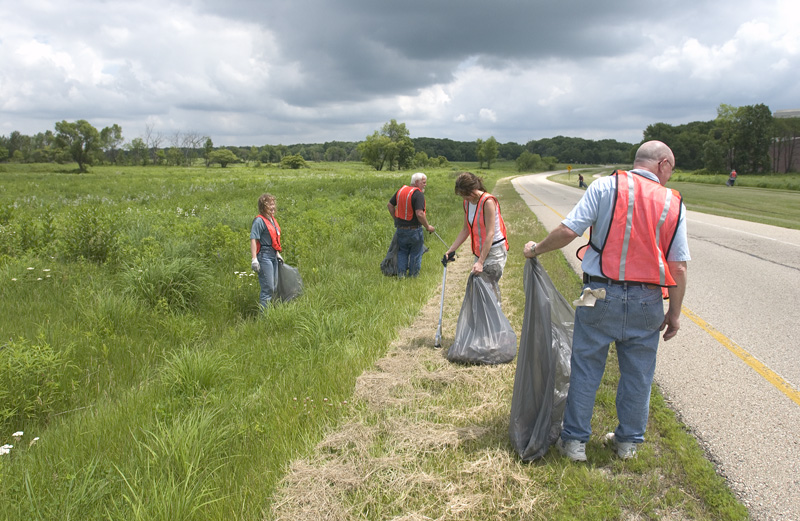
To prepare for Take Care of Oregon Days, we are conducting free Volunteer
Action Trainings in your area that will help you envision your project. The
workshops will focus on recruiting and leading volunteers; project
logistics and safety; preventing volunteer burnout; working with media; and
fundraising. The training will help you work with your neighbors to improve
your community, and is free for anyone planning a community project.
Volunteer Action Trainings in Douglas County
Reedsport – Wednesday, October 10th from 10AM to 2PM
Reedsport Umpqua Discovery Center (409 Riverfront Way)
Sutherlin – Tuesday, October 21st from 10AM to 2PM
Sutherlin Community Center (150 S Willamette St)
Roseburg – Monday, October 20th from 10AM to 2PM
Roseburg Health Center (621 W Madrone, Ste 132)
Canyonville – Thursday, October 23rd from 1pm to 5pm
City Council Chambers (City Hall – 250 N Main St)
For more information on these workshops, contact Douglas County RSVP at
541-957-3006.
To register, go to SOLV’s website at
http://www.solv.org/programs/volunteer_action_training.asp.
Volunteer Action Trainings in Jackson and Josephine Counties
Grants Pass – Tuesday, November 4th from 9AM to 1PM
Asante Outpatient Center (1505 NW Washington Blvd)
Medford – Tuesday, November 4th from 9AM to 1PM
Larson Creek Retirement Center (1025 Ellendale Dr)
Cave Junction – Tuesday, November 11th from 10AM to 2PM
Josephien County Bldg (102 S Redwood Hwy)
To register, go to:
http://www.solv.org/programs/volunteer_action_training.asp, or call SOLV at
1-800-333-7658.
Sincerely,
The Take Care of Oregon Days Team
Oregon 150 (www.oregon150.org)
Rural Development Initiatives
Oregon Volunteers
SOLV
commissioned by Oregon 150, Governor Kulongoski’s planning commission for
the state’s sesquicentennial in 2009, to bring you the largest volunteer
event in the State’s history - Take Care of Oregon Days! This event will
take place May 16th 2009 (in Douglas County) where 20,000 volunteers will celebrate the
State’s 150th birthday by cleaning up their downtowns, holding a food
drive, painting murals in the local school, or working on whatever their
community needs to be at its best!
To prepare for Take Care of Oregon Days, we are conducting free Volunteer
Action Trainings in your area that will help you envision your project. The
workshops will focus on recruiting and leading volunteers; project
logistics and safety; preventing volunteer burnout; working with media; and
fundraising. The training will help you work with your neighbors to improve
your community, and is free for anyone planning a community project.
Volunteer Action Trainings in Douglas County
Reedsport – Wednesday, October 10th from 10AM to 2PM
Reedsport Umpqua Discovery Center (409 Riverfront Way)
Sutherlin – Tuesday, October 21st from 10AM to 2PM
Sutherlin Community Center (150 S Willamette St)
Roseburg – Monday, October 20th from 10AM to 2PM
Roseburg Health Center (621 W Madrone, Ste 132)
Canyonville – Thursday, October 23rd from 1pm to 5pm
City Council Chambers (City Hall – 250 N Main St)
For more information on these workshops, contact Douglas County RSVP at
541-957-3006.
To register, go to SOLV’s website at
http://www.solv.org/programs/volunteer_action_training.asp.
Volunteer Action Trainings in Jackson and Josephine Counties
Grants Pass – Tuesday, November 4th from 9AM to 1PM
Asante Outpatient Center (1505 NW Washington Blvd)
Medford – Tuesday, November 4th from 9AM to 1PM
Larson Creek Retirement Center (1025 Ellendale Dr)
Cave Junction – Tuesday, November 11th from 10AM to 2PM
Josephien County Bldg (102 S Redwood Hwy)
To register, go to:
http://www.solv.org/programs/volunteer_action_training.asp, or call SOLV at
1-800-333-7658.
Sincerely,
The Take Care of Oregon Days Team
Oregon 150 (www.oregon150.org)
Rural Development Initiatives
Oregon Volunteers
SOLV
Monday, October 6, 2008
Deadline to Register
The last day to register to vote in Oregon is next Tuesday, October 14th.
Are you registered? Are your friends and family?
Are you registered? Are your friends and family?
Thursday, October 2, 2008
Wednesday, October 1, 2008
Think Local Workshops
Friends,

I am signed up to continue my education at the workshop series listed below. This is about buying and thinking local to build a better local economy.
Please join me and make a difference!
______________________________________
______________________________________
Strength in Numbers:
American Independent Business Alliance Workshops
Part I: Growing our own
Monday, October 13th, 6-9 pm, Ucc's Indian room, $5
Introductory workshop for all community members on the importance of supporting local independent business, and how utilize a local independent business alliance and ‘buy local’ campaign to help local business and strengthen our community.
Part II: Getting down to (local) business Tuesday, October 14th, 9 am—2 pm, UCC's Indian room, $35
In depth workshops on how to effectively organize and run an independent business alliance and ‘buy local’ campaign. Participants will learn the nuts and bolts messaging, branding, working with the media and government, and other ’best practices’ from other independent business alliances across the nation.
TO REGISTER FOR THESE WORKSHOPS CALL:
Pam Engle
541-440-4669
Brought to you by:
Subscribe to:
Posts (Atom)



 Posts
Posts

